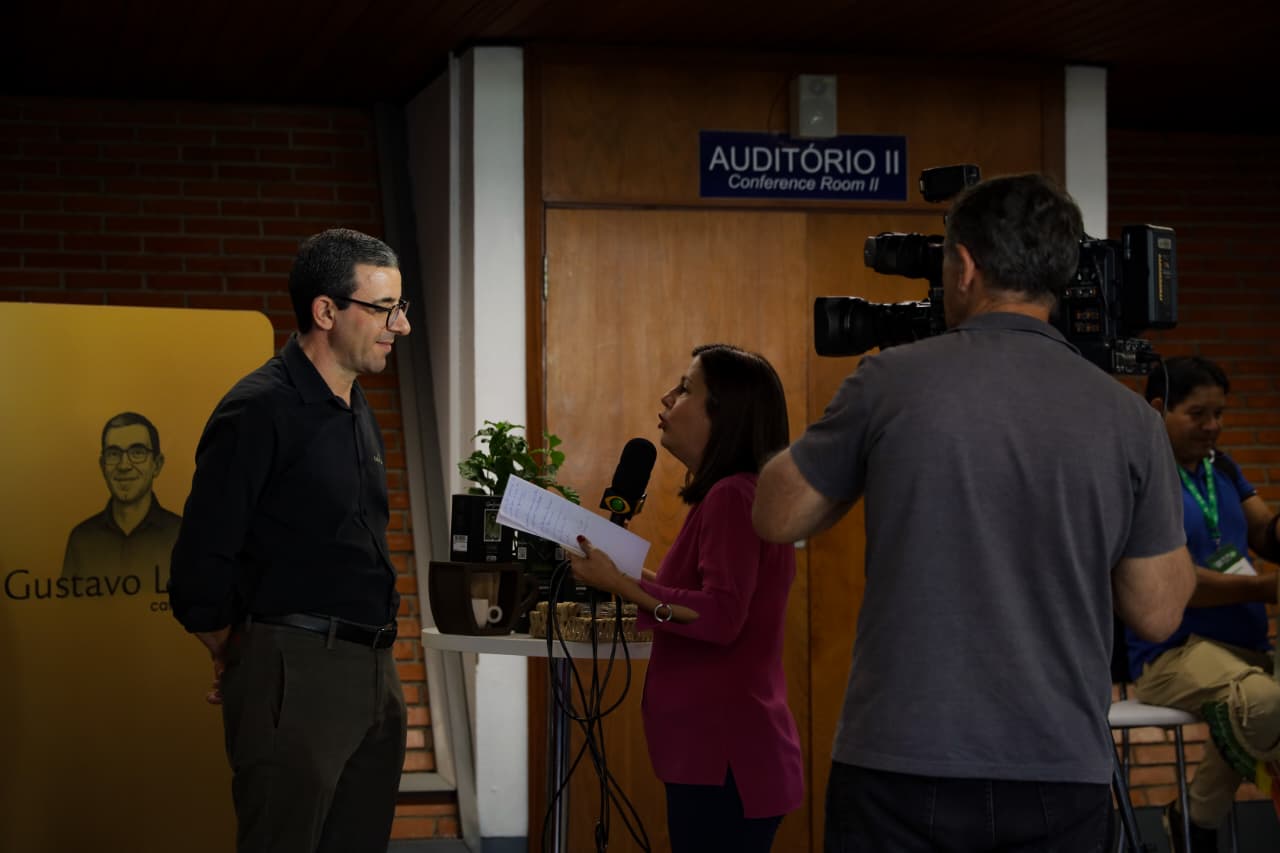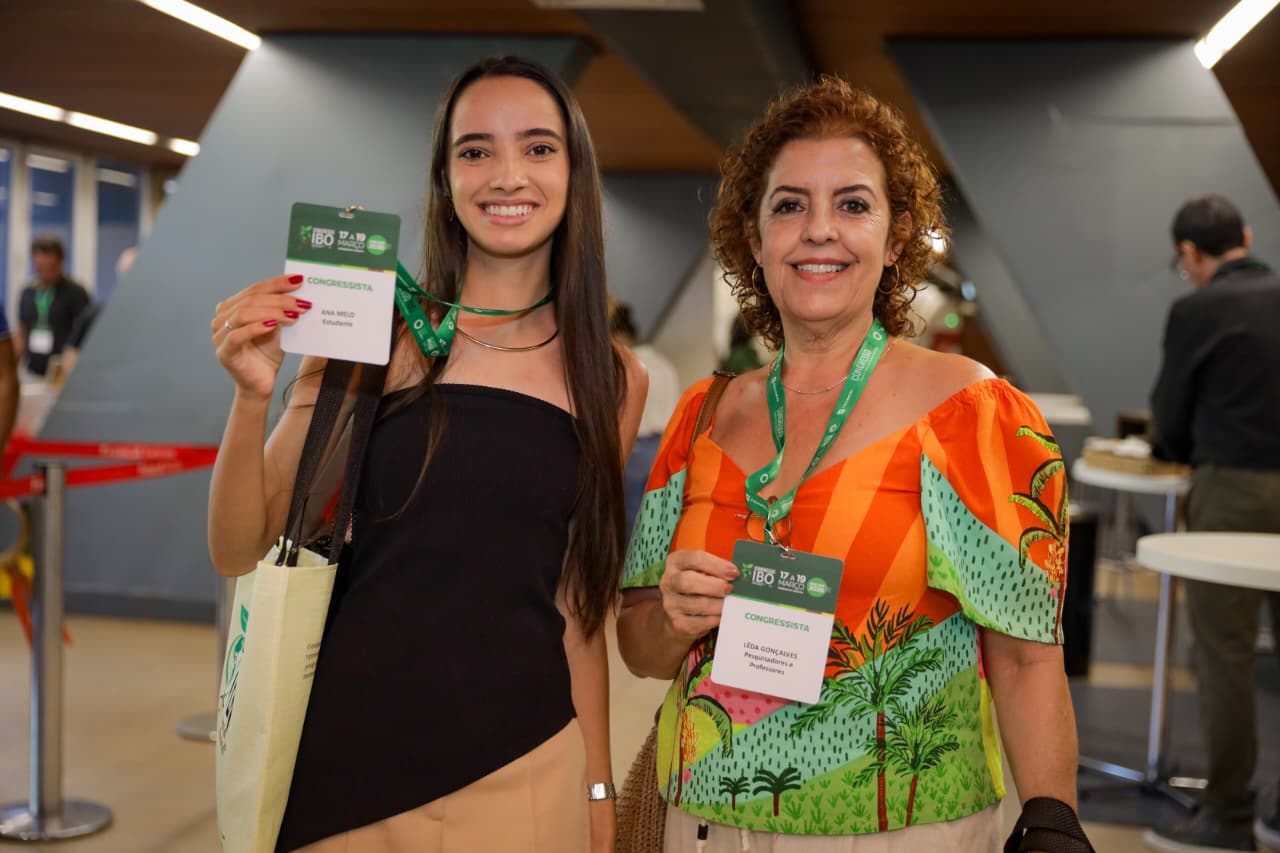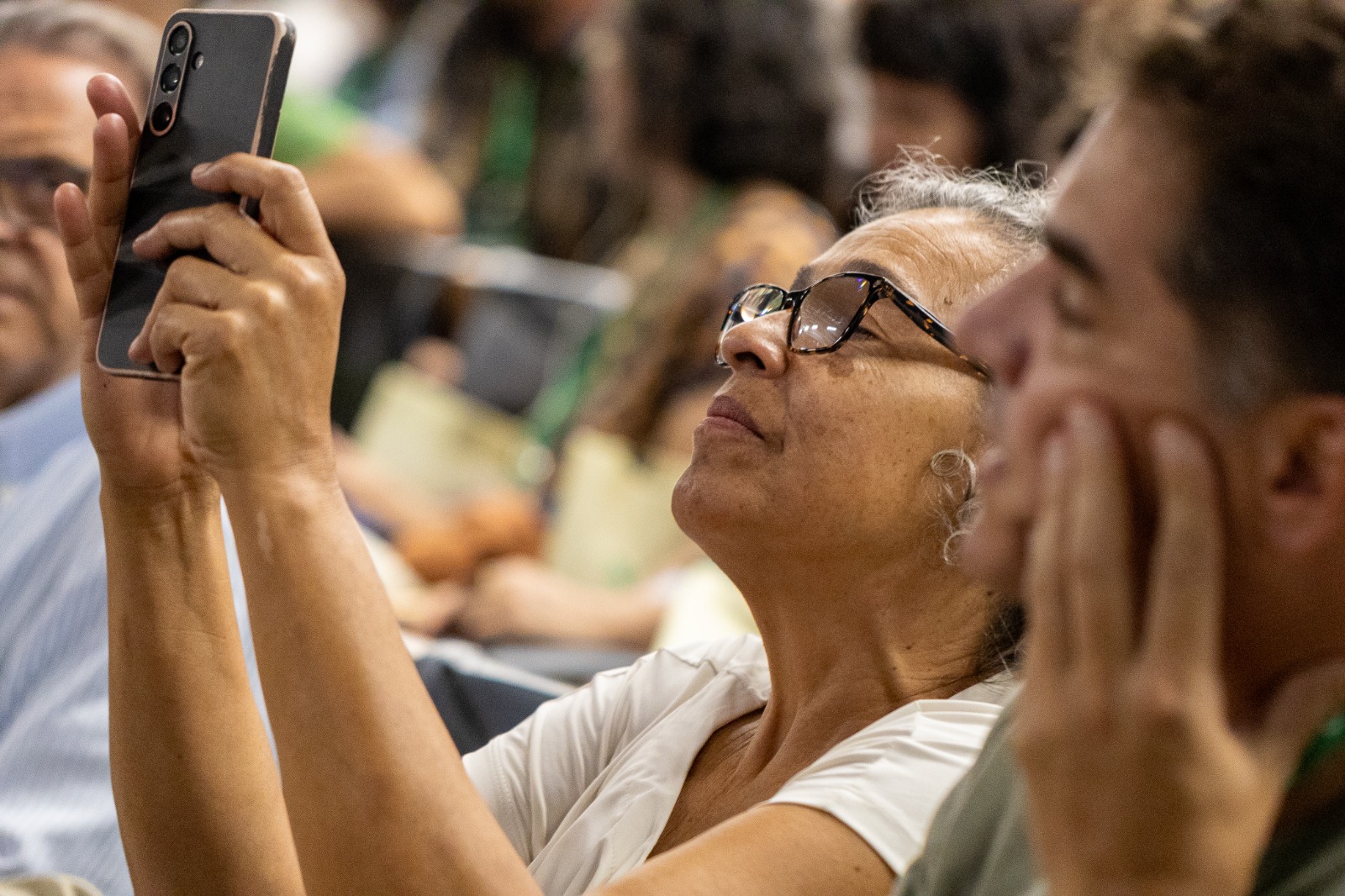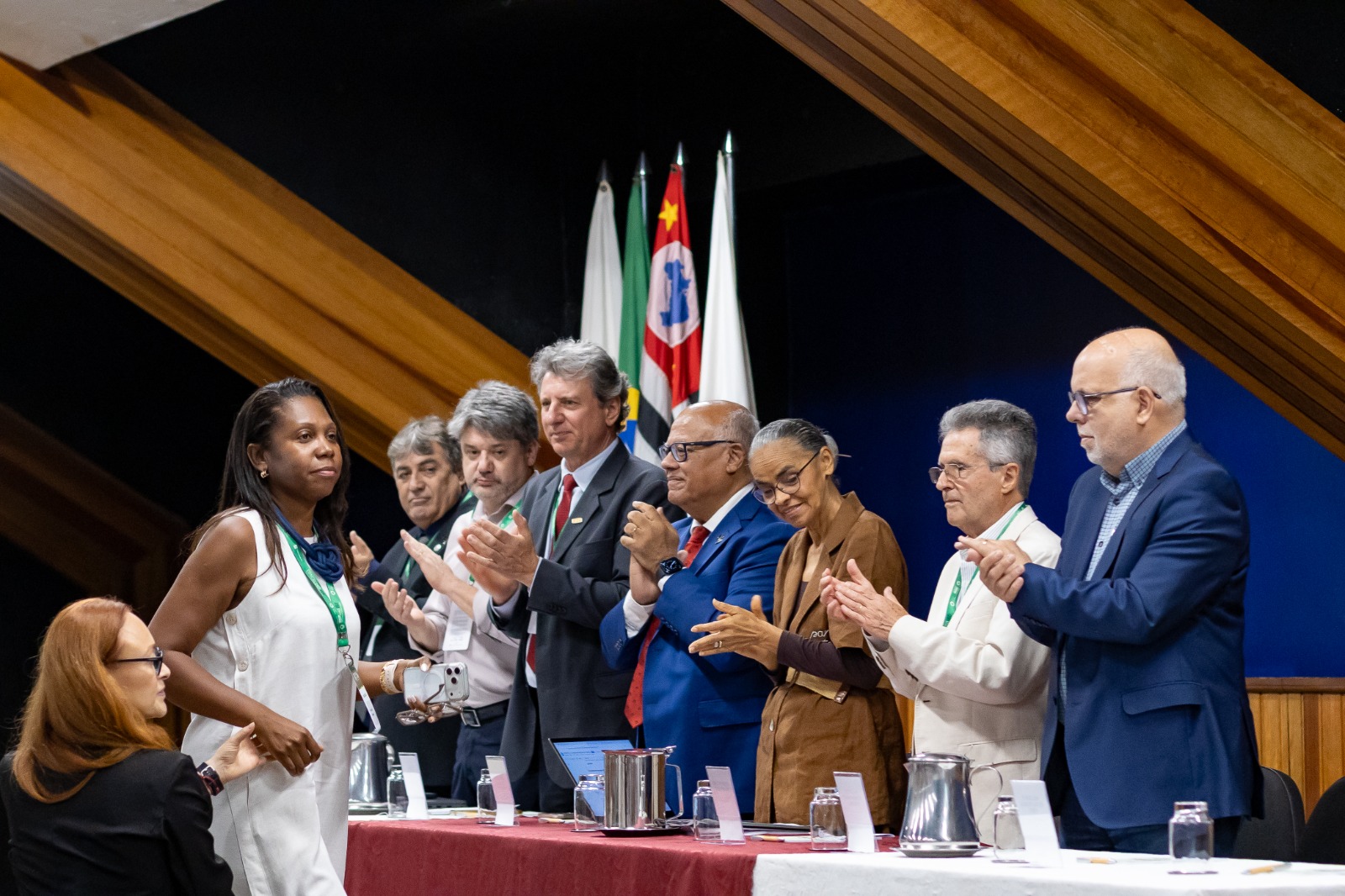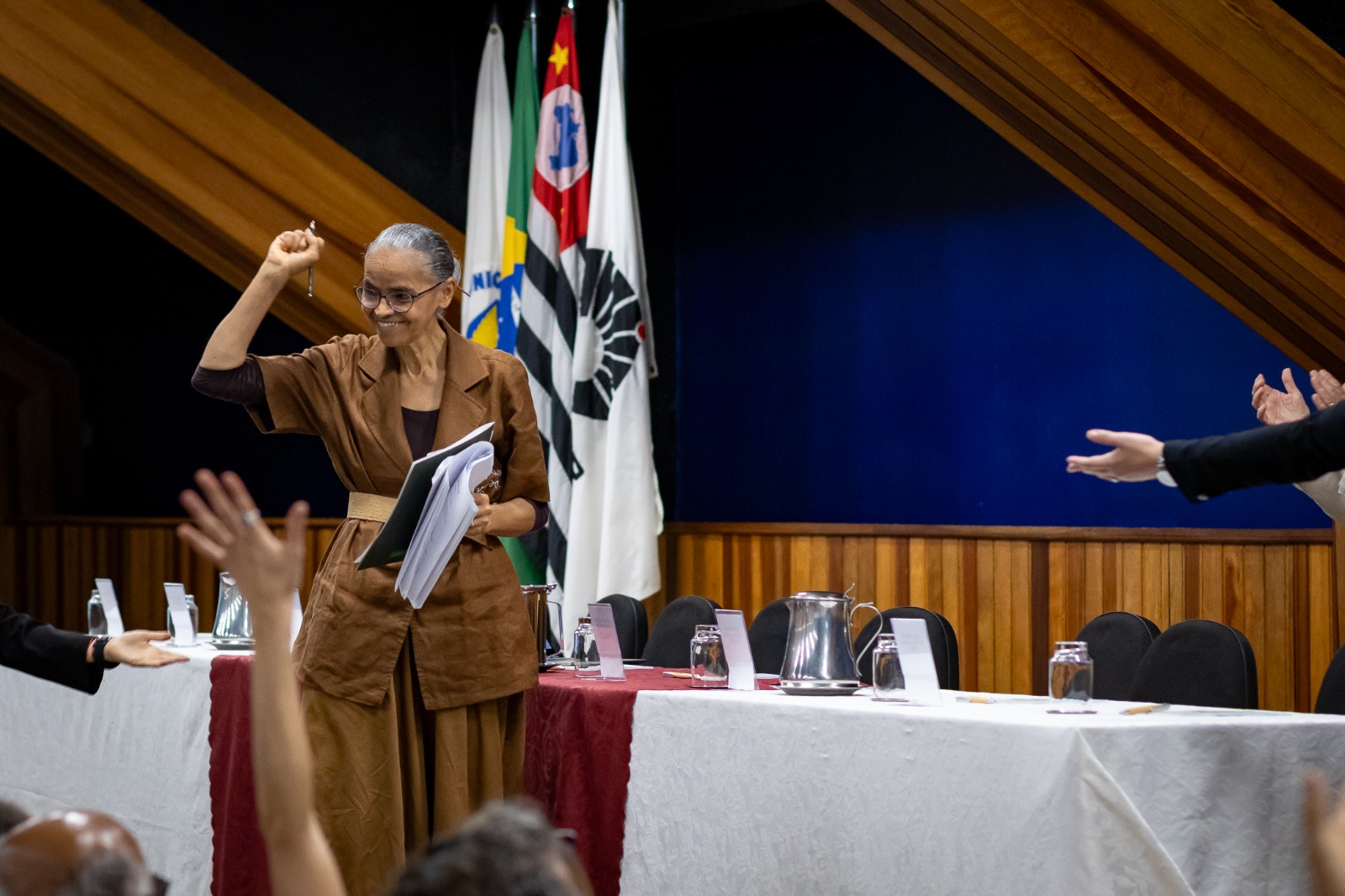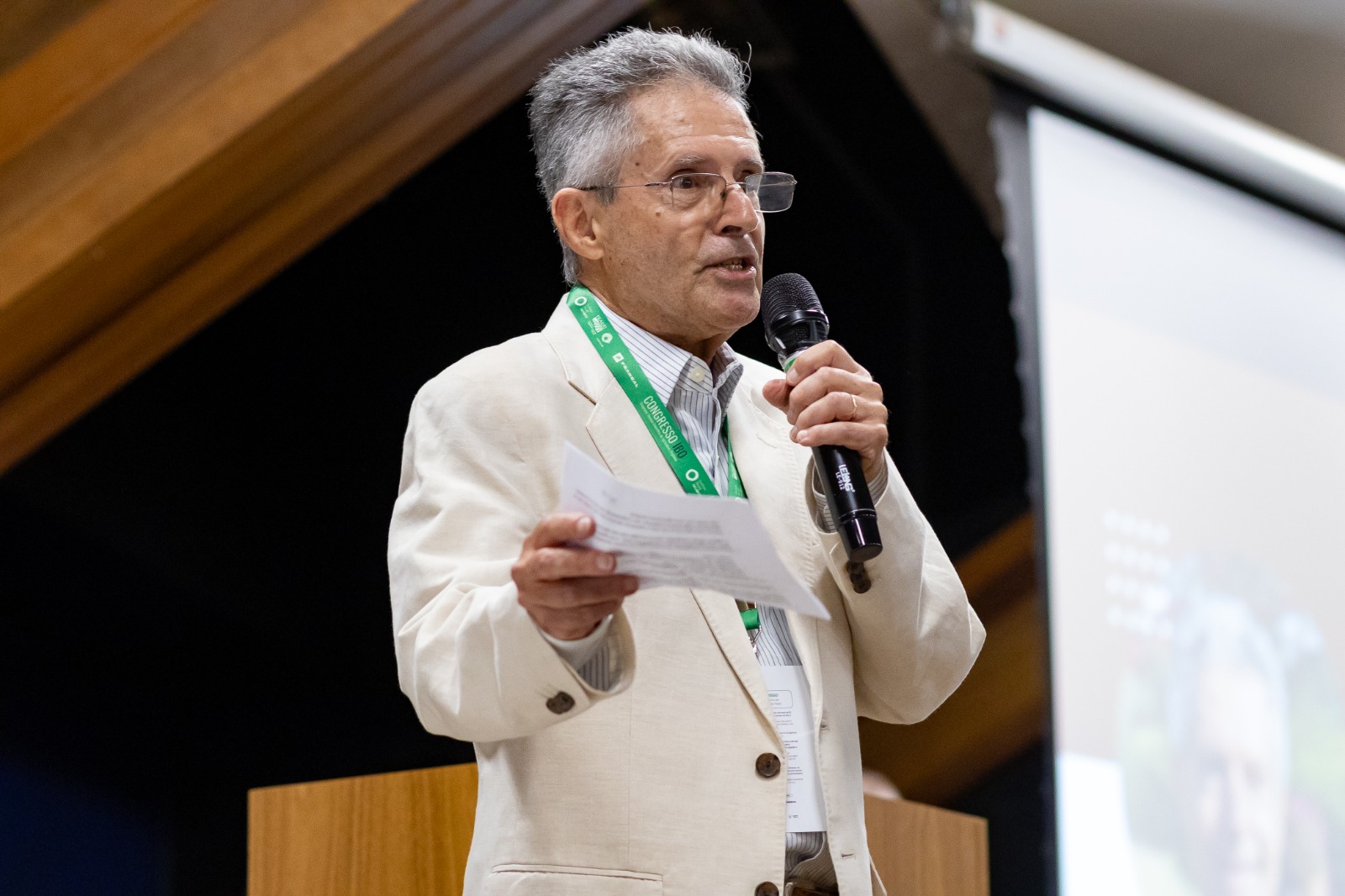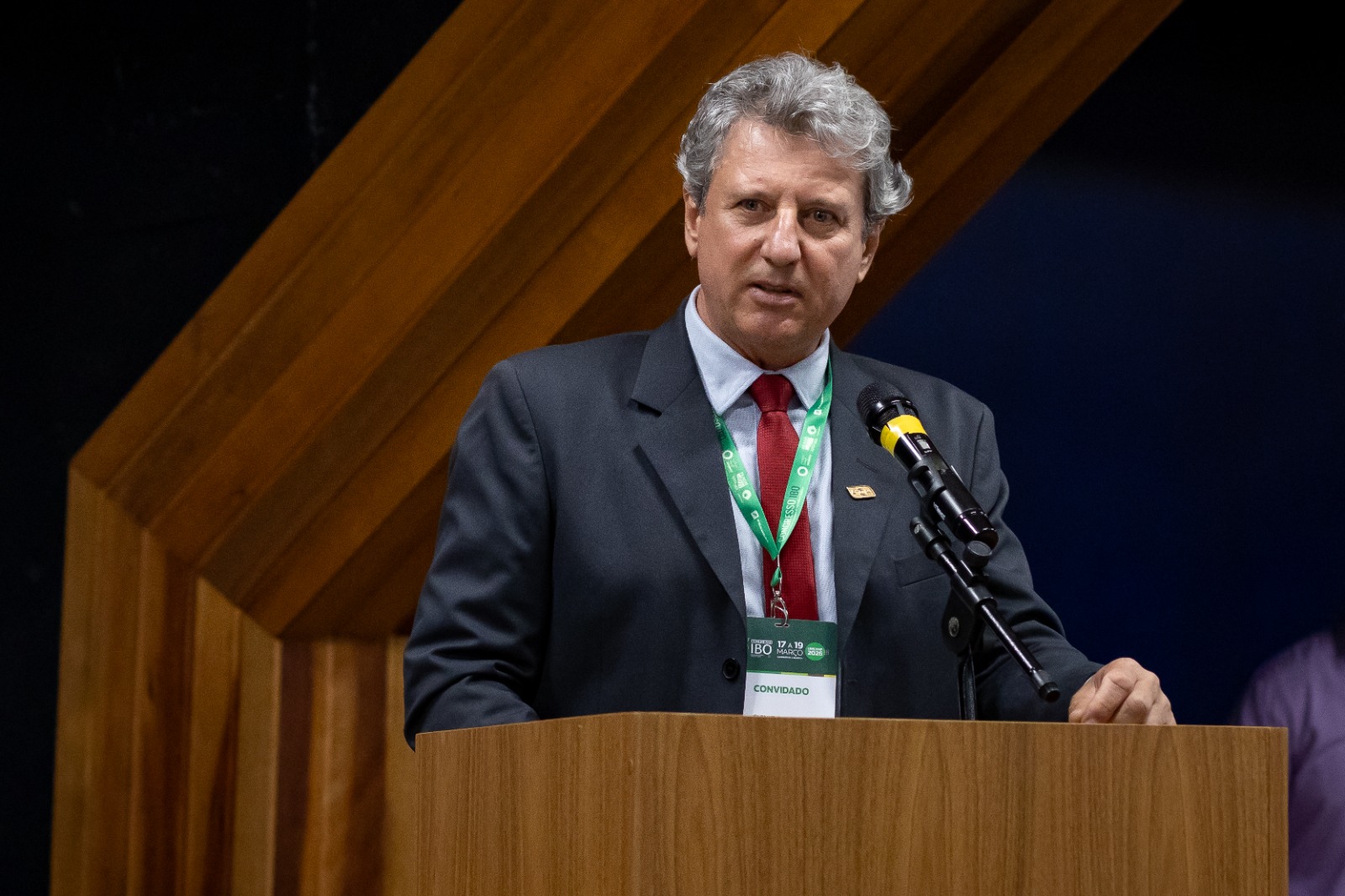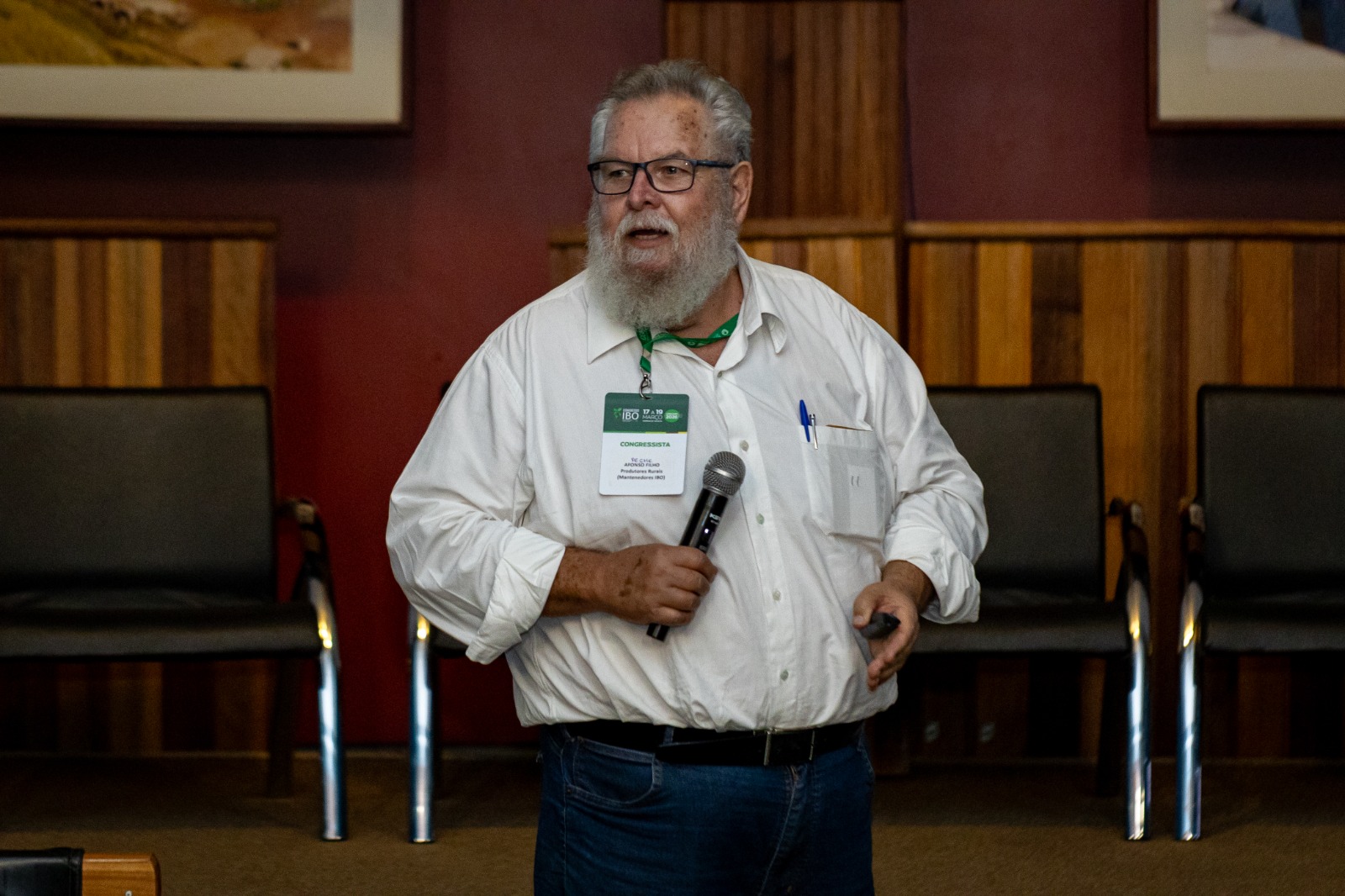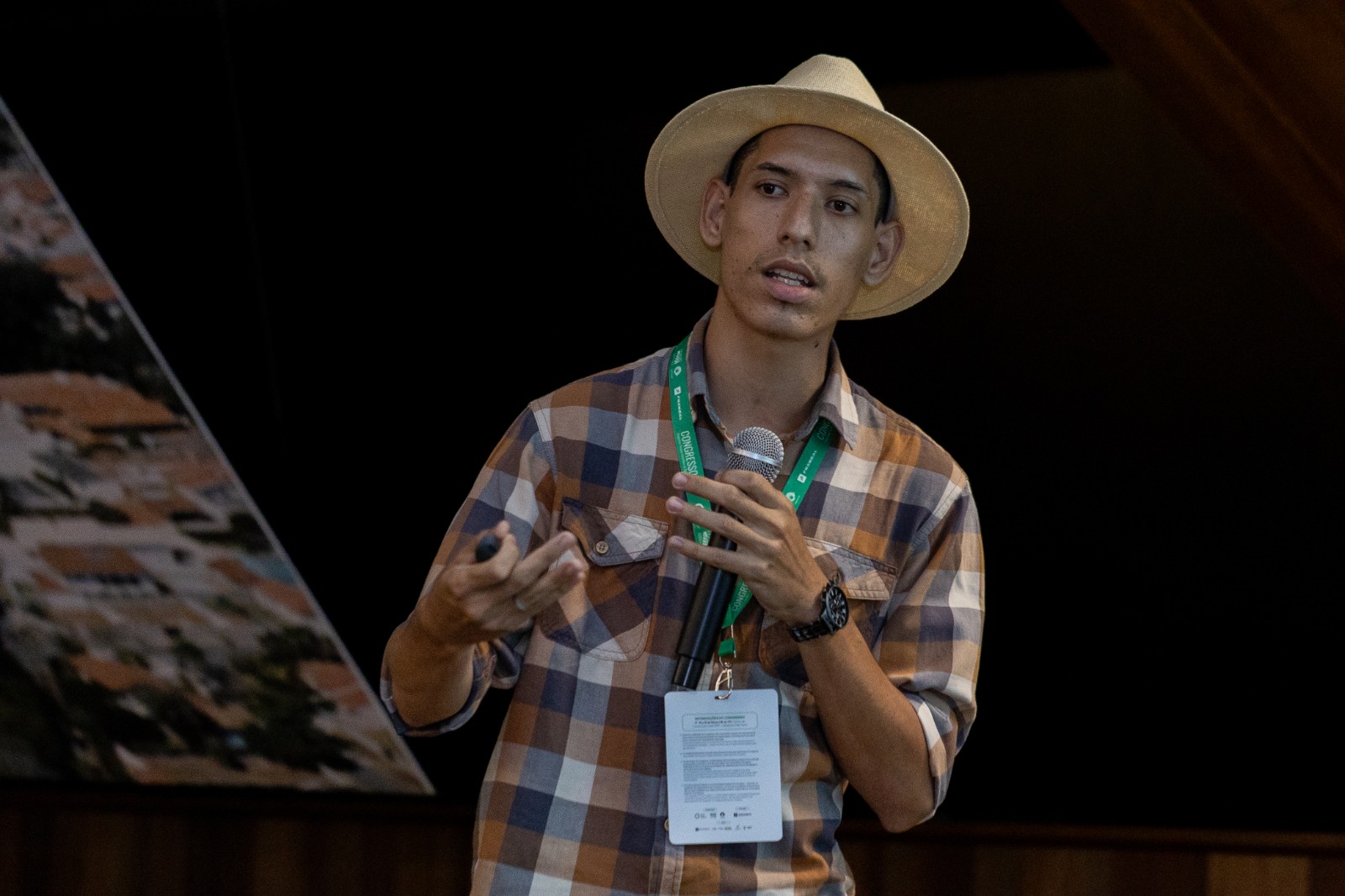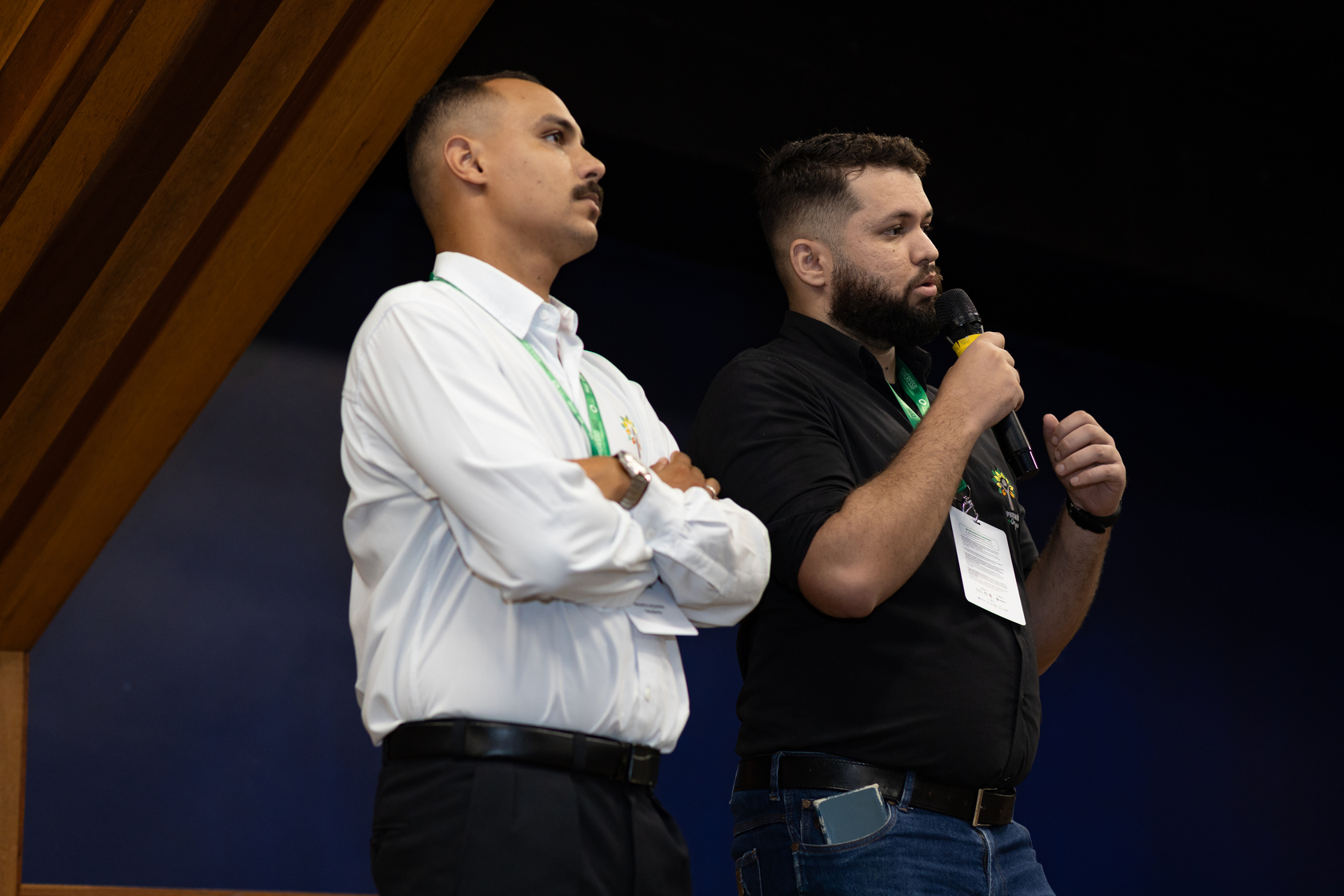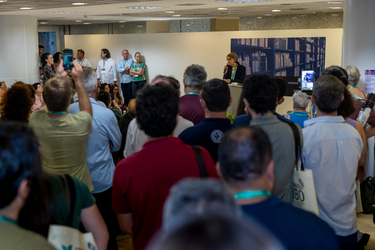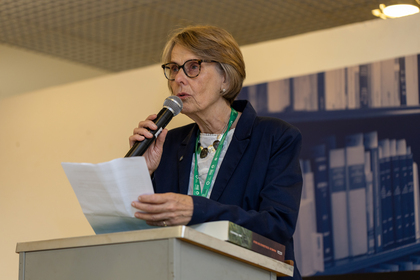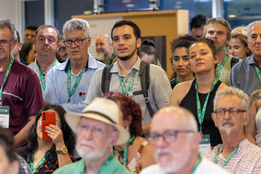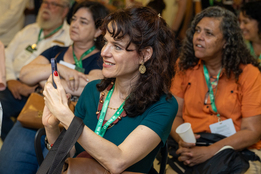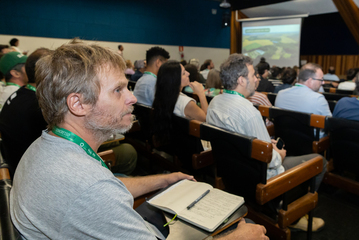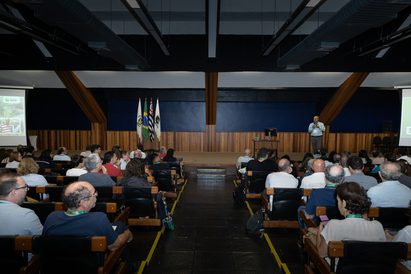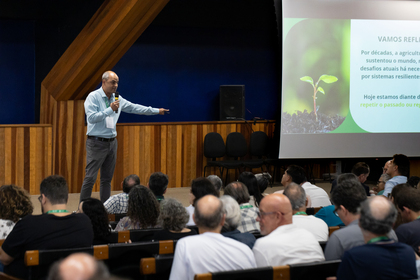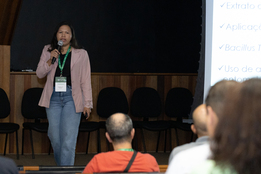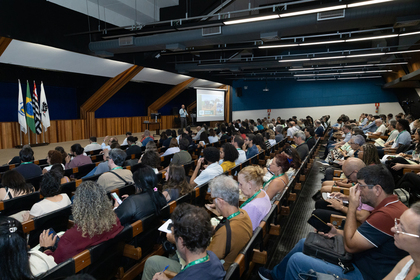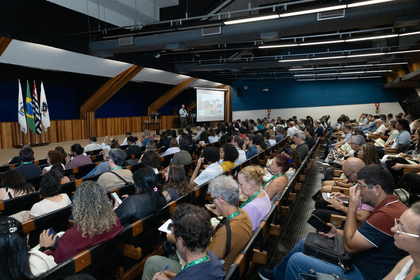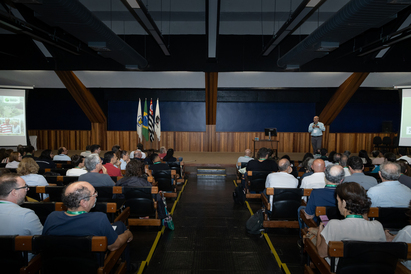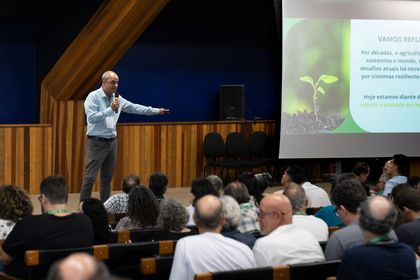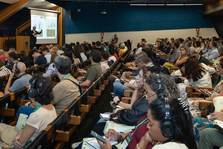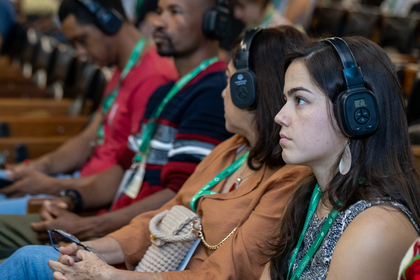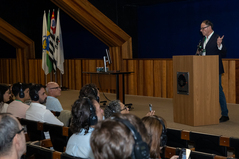
Congresso Técnico Científico de Agricultura Orgânica

The Turning Point for Organic Agriculture in Brazil

Register now
De 17 a 19 de Março Every day from 08h00 to 17h00

About the Event

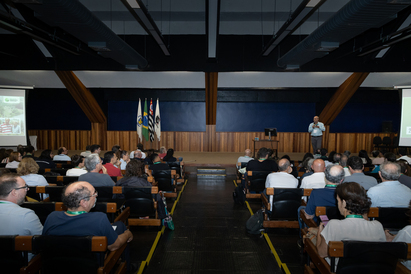
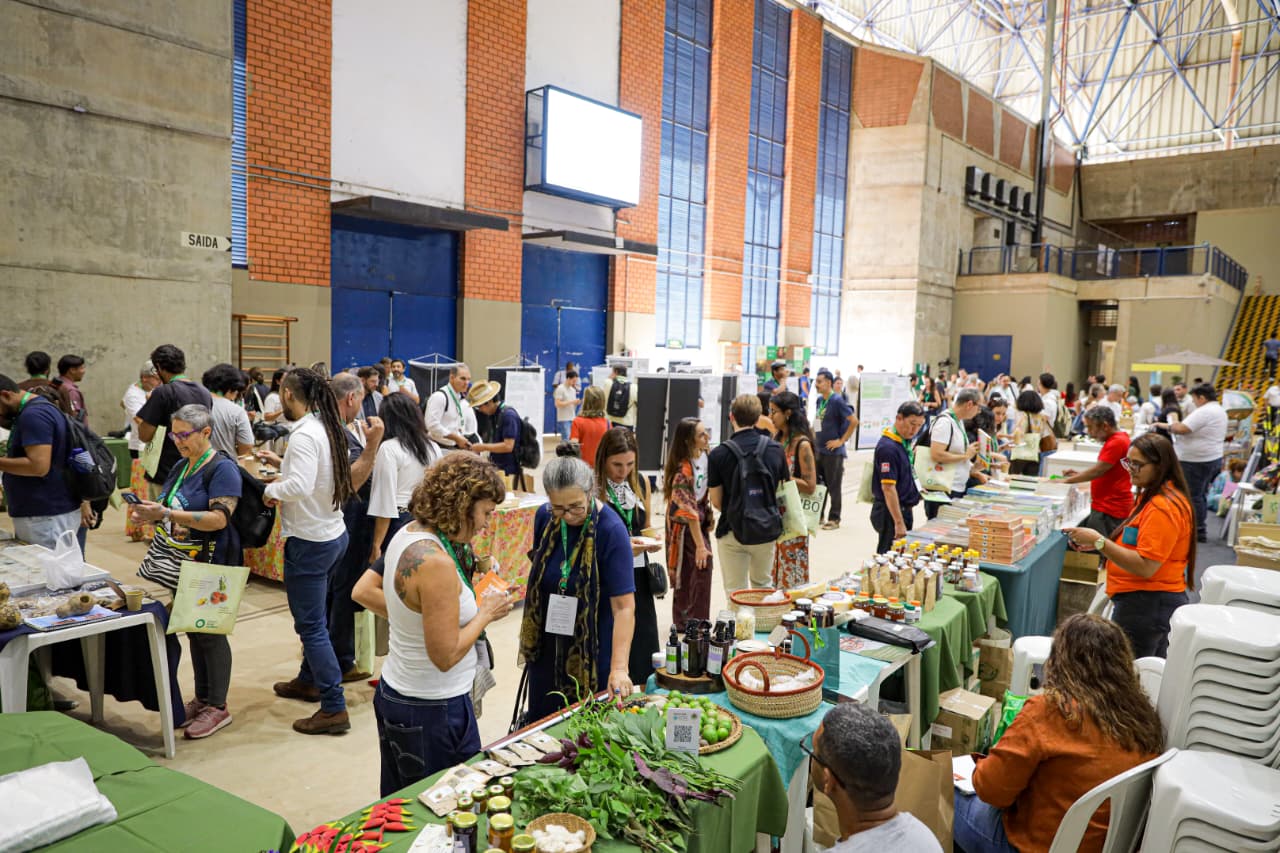
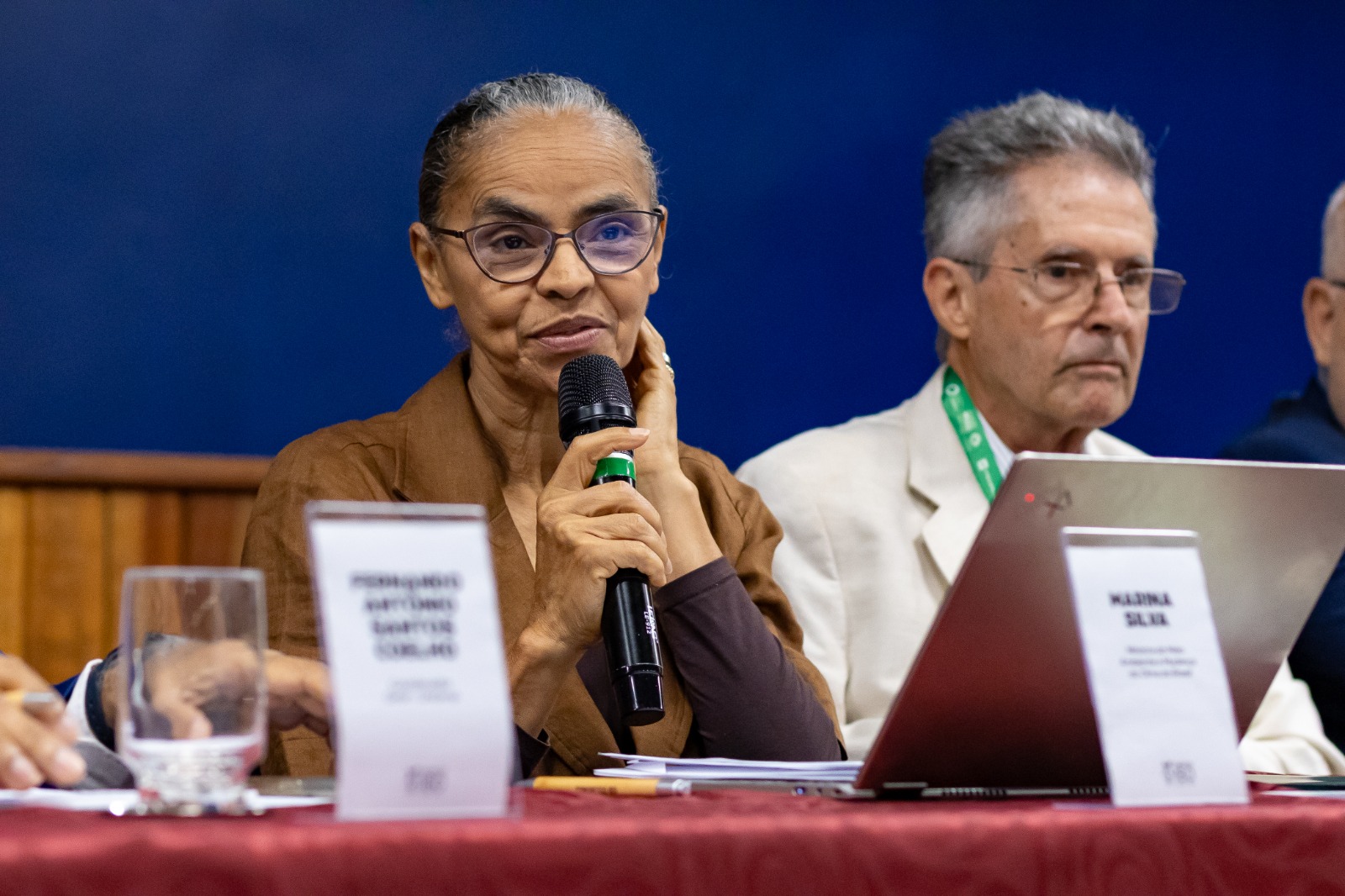
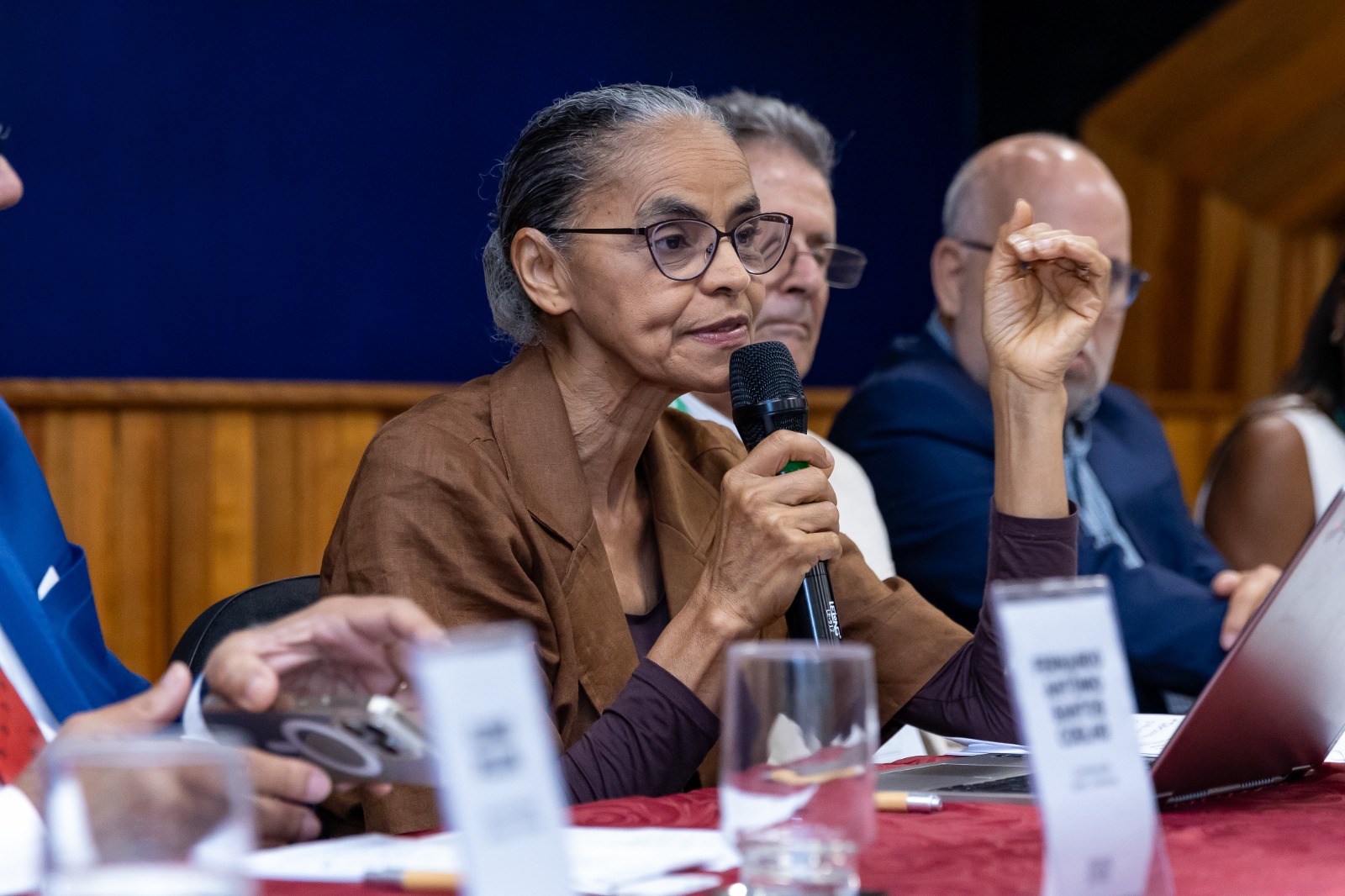
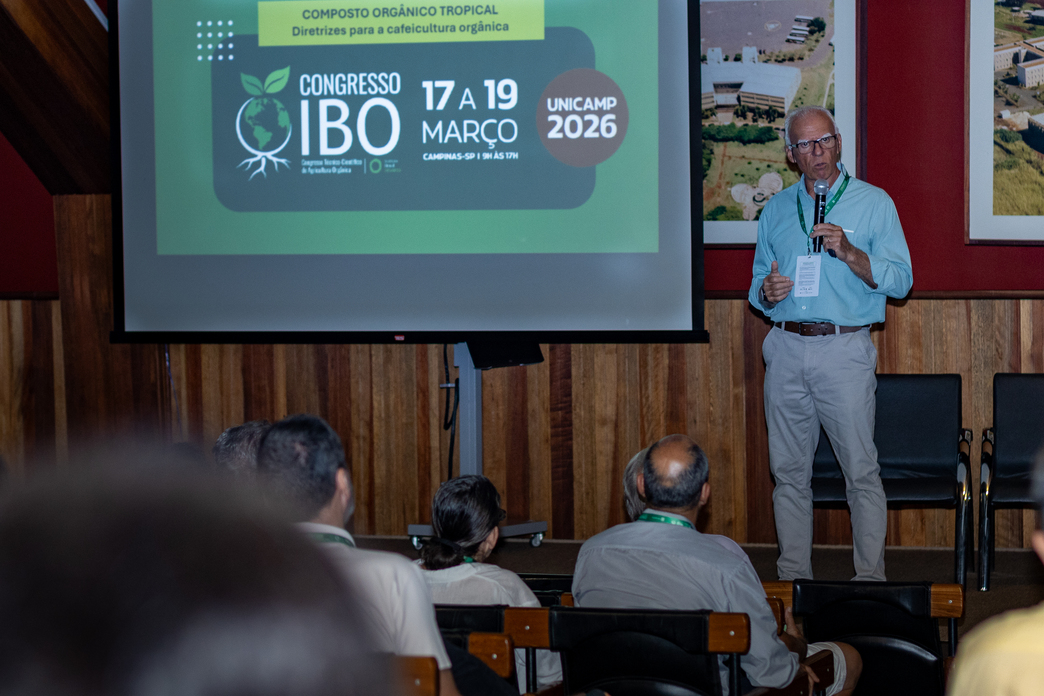
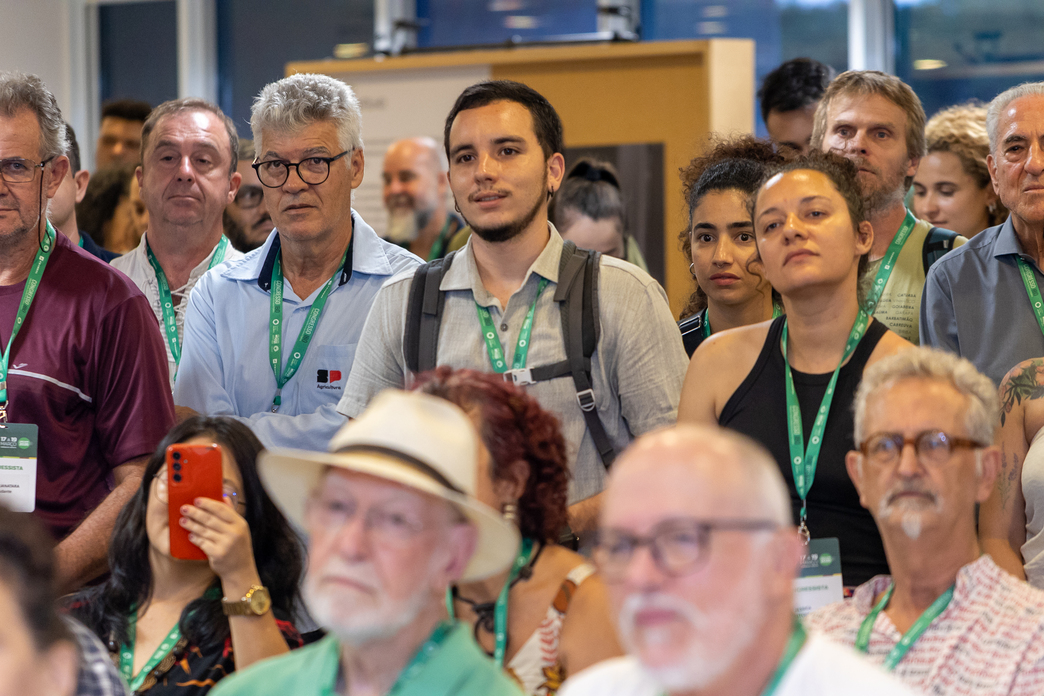
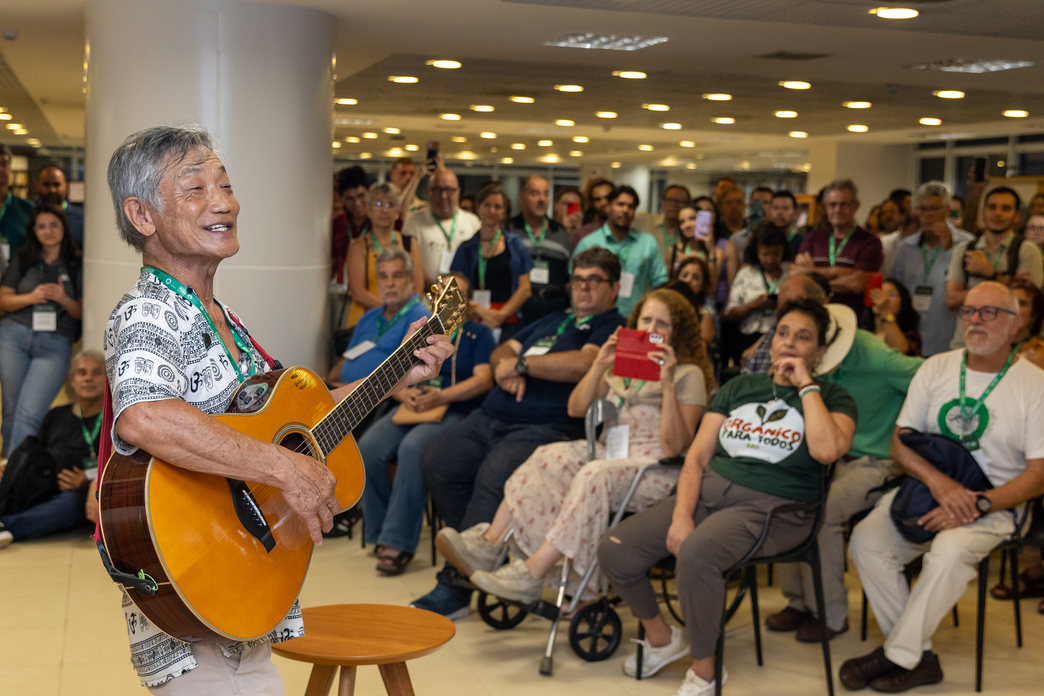
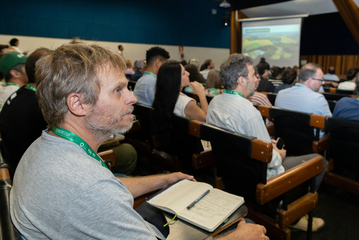
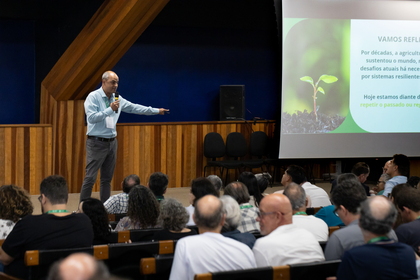
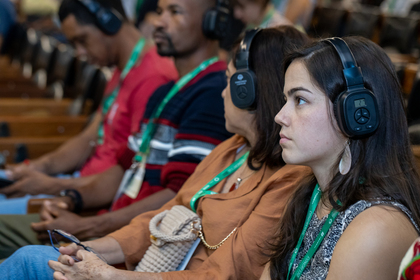
Primeiro evento do gênero no Brasil, o Congresso Técnico-Científico de Agricultura Orgânica nasce para dar protagonismo ao setor na economia verde. Mais do que um encontro, é uma plataforma que conecta ciência, mercado e cultura para impulsionar práticas orgânicas inovadoras e sustentáveis.

Seu principal objetivo é reunir e apresentar trabalhos científicos e técnicos produzidos por instituições como Embrapa, universidades, institutos estaduais de pesquisa e profissionais do setor, fortalecendo toda a cadeia produtiva — da produção a comercialização. O conhecimento reunido será editado e disponibilizado para produtores de todo o país, ampliando seu alcance e impacto.

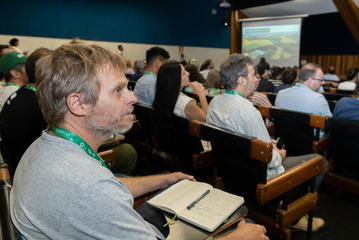
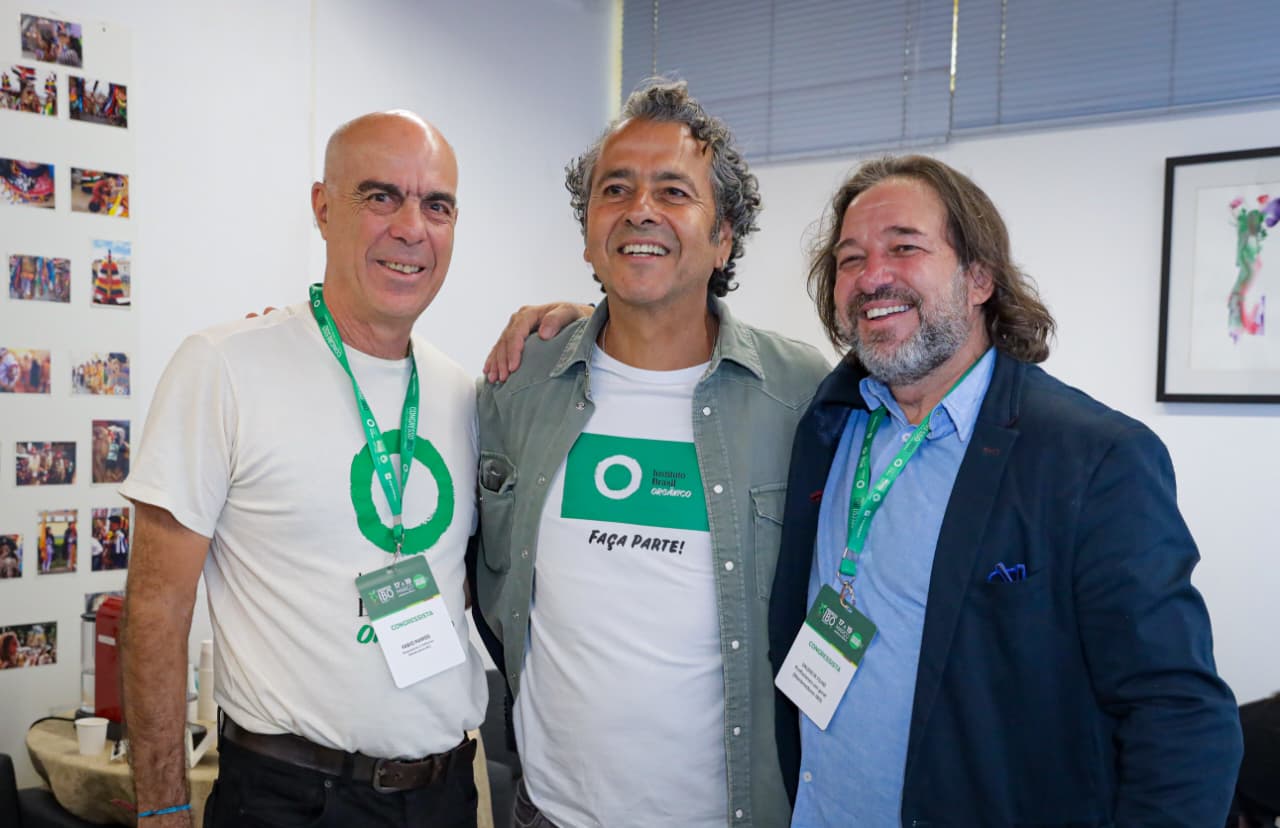
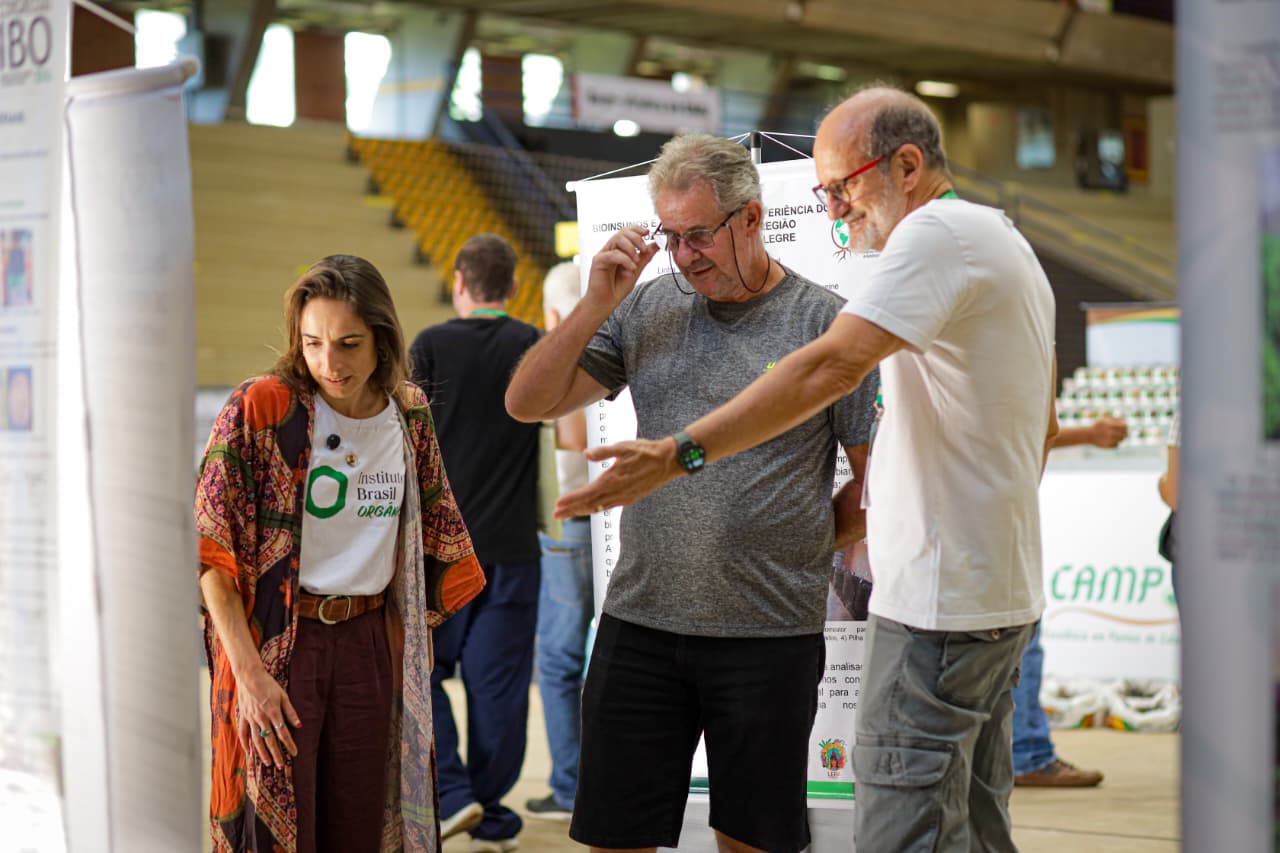
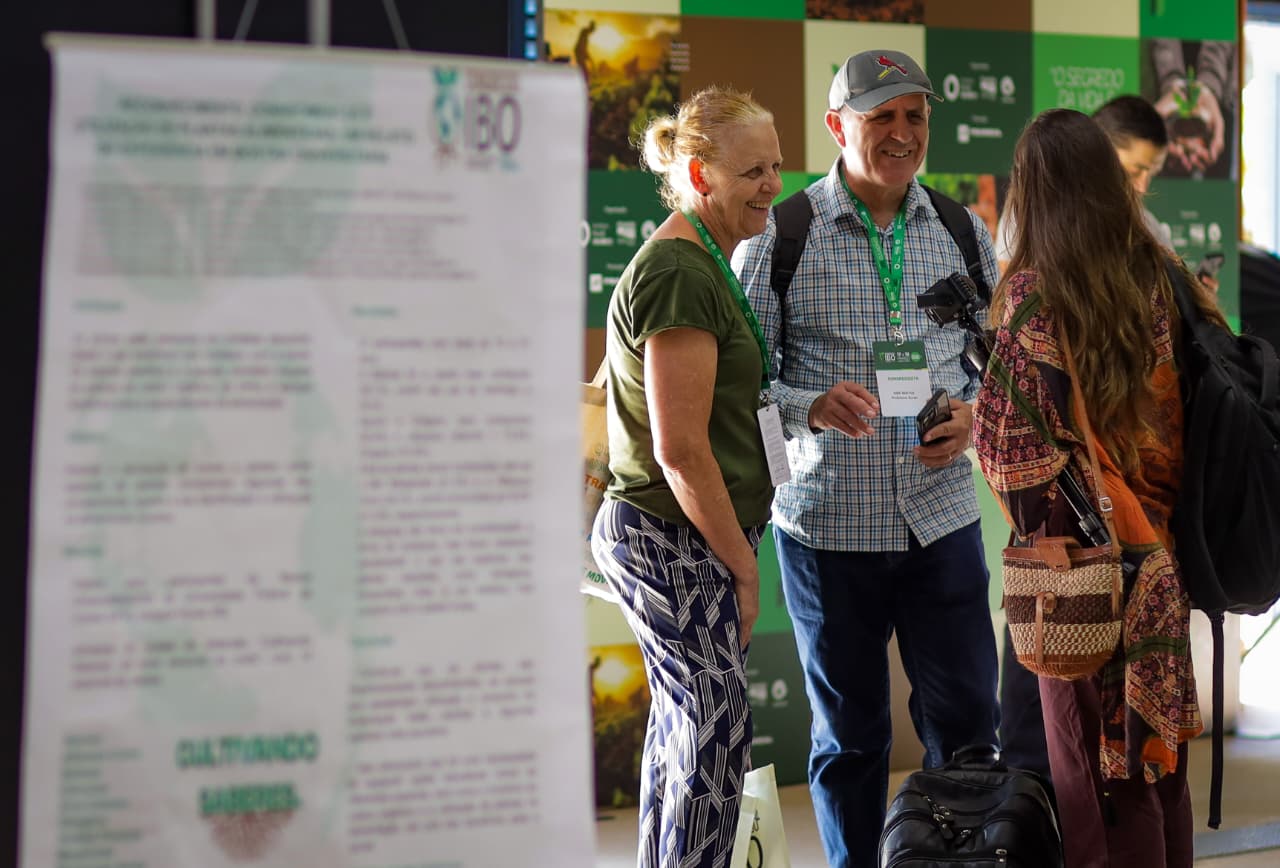
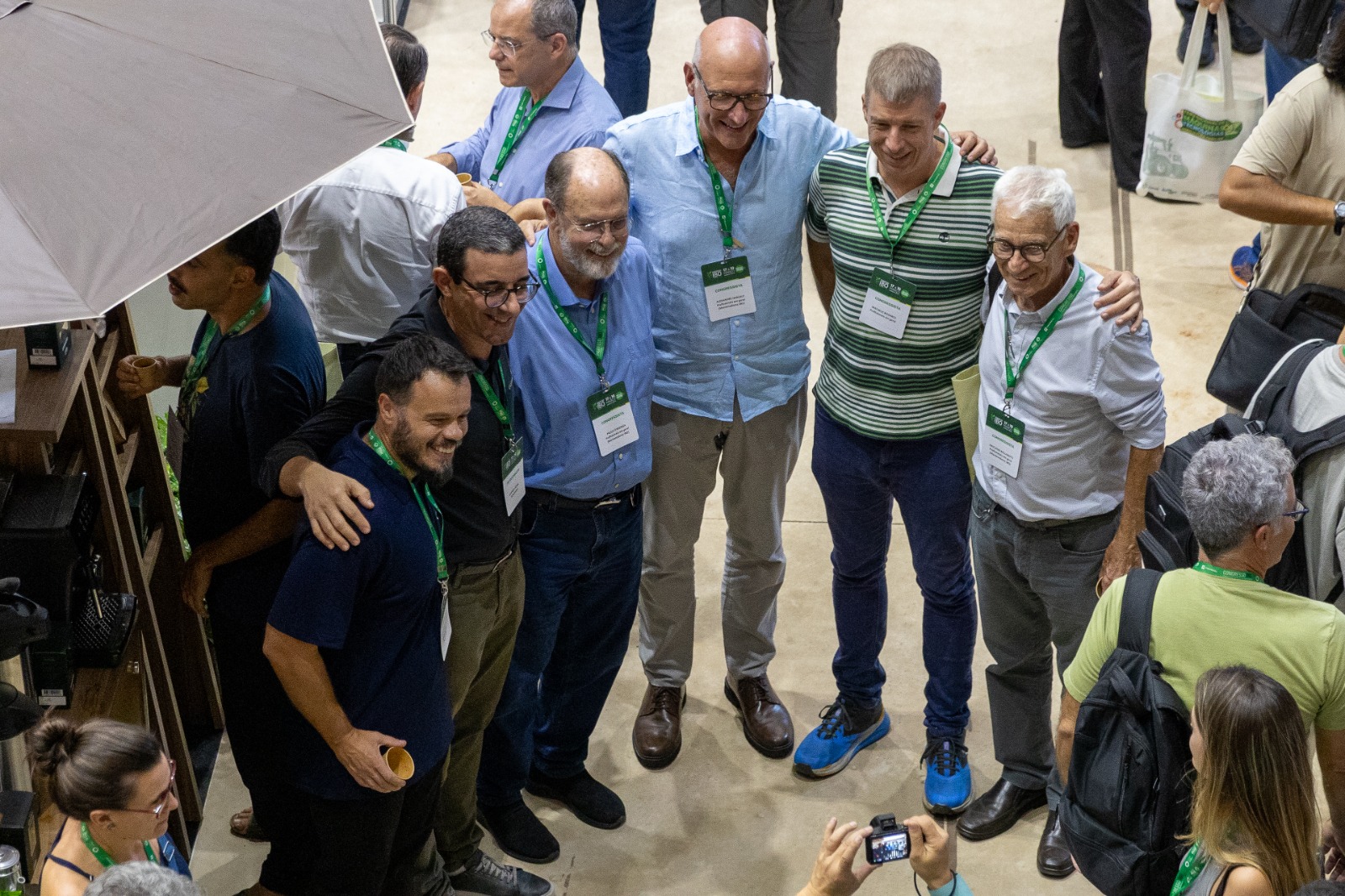
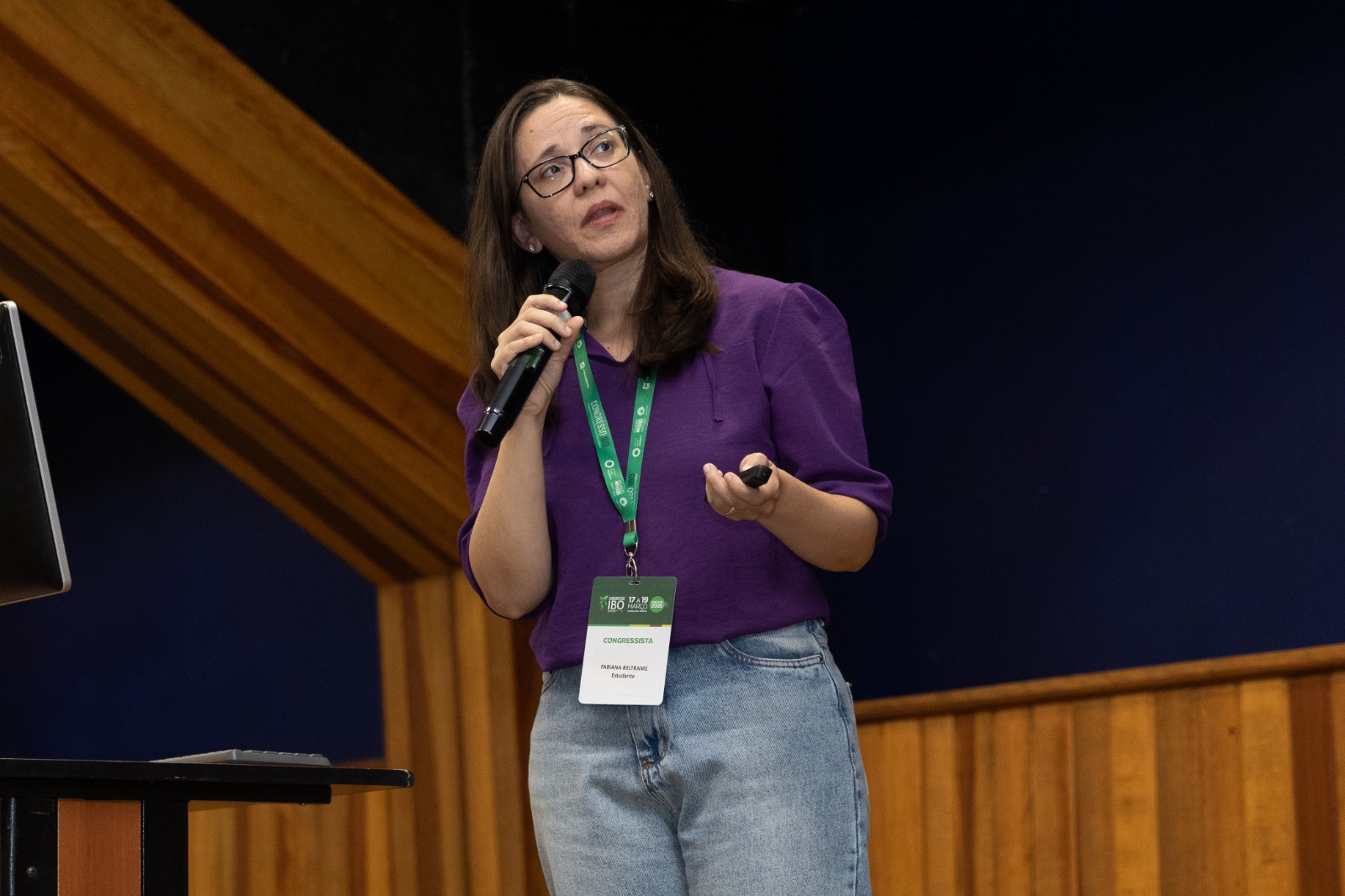
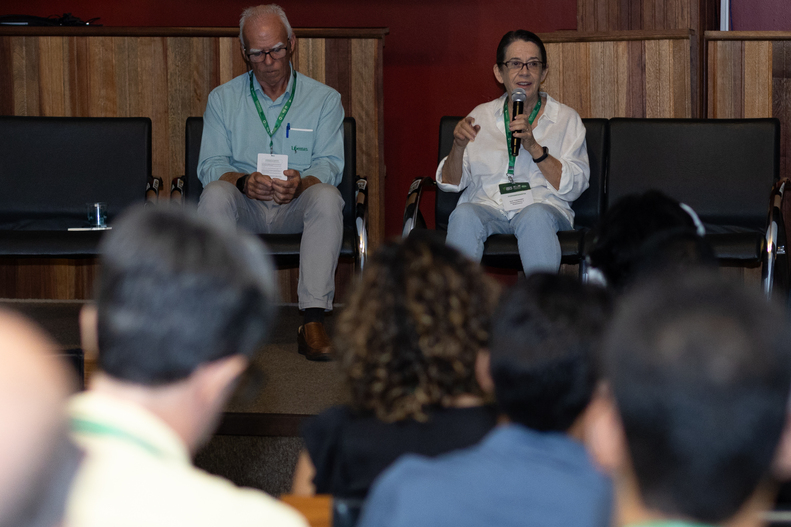
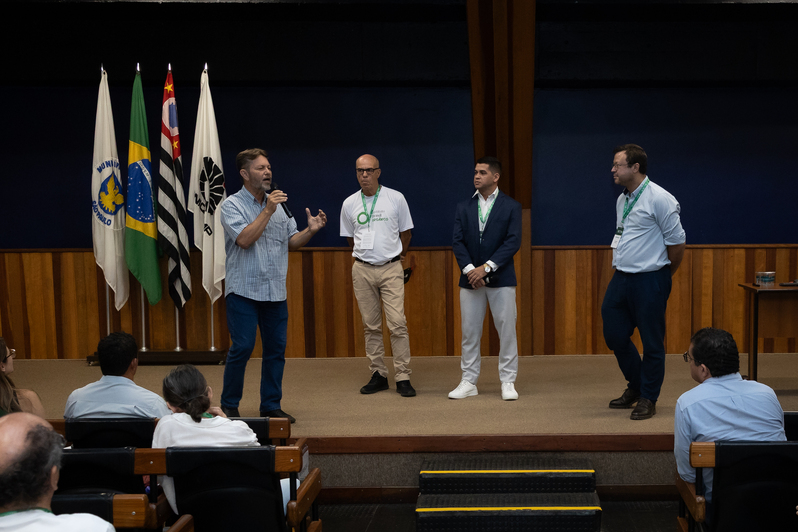
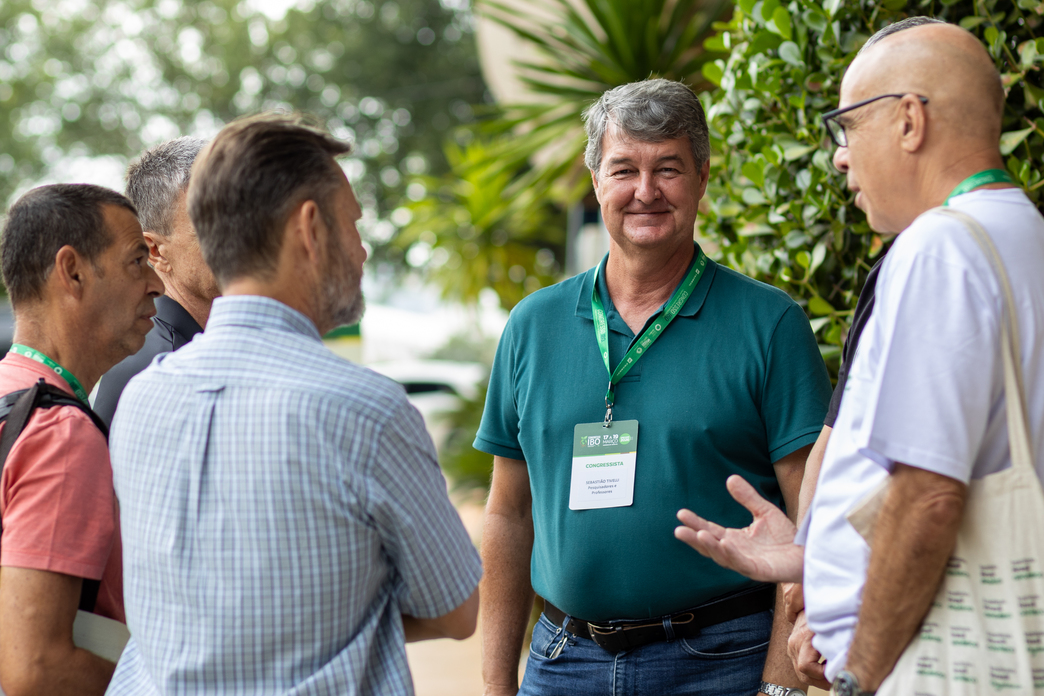
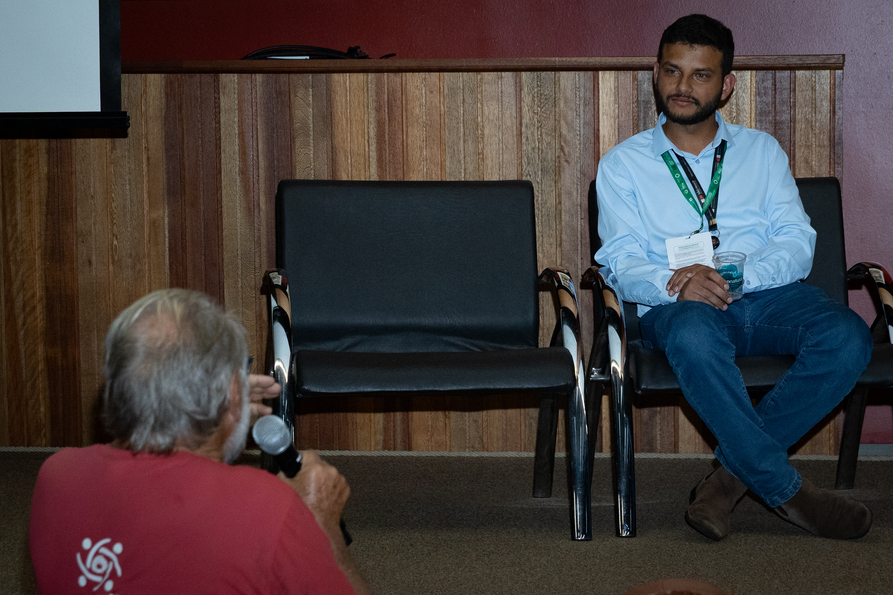
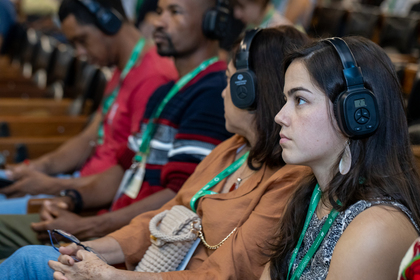
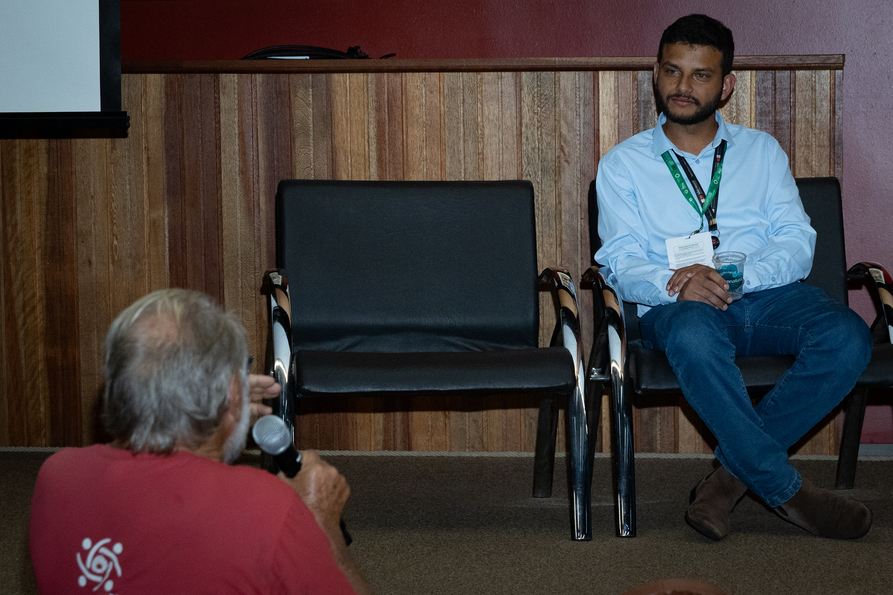
O congresso também será um ponto de encontro para pesquisadores, técnicos, produtores e estudantes, criando um espaço de troca de experiências, apresentação de resultados e discussão de tendências relevantes para o futuro da agricultura orgânica no Brasil.

Realizado pelo Instituto Brasil Orgânico (IBO) e promovido pela Francal – Ecossistema para Eventos, o congresso conta com o apoio da Embrapa e participação da Feagri/Unicamp na organização, reforçando o compromisso em integrar conhecimento científico, demandas do mercado e valores culturais. O Brasil tem solo, clima, biodiversidade e talento para liderar essa agenda — falta apenas a convergência. Este congresso é o palco para essa união.

Vai trazer sua equipe ou grupo de amigos? Para compras a partir de 5 ingressos, fale com a gente e conheça os cupons de descontos especiais para compras em grupo (visitante@francal.com.br) .

ATENÇÃO MANTENEDOR IBO: Em caso de mantenedor registrado com CNPJ, você terá direito a 3 inscrições com desconto do IBO.

Atividades Extras – 20 de março


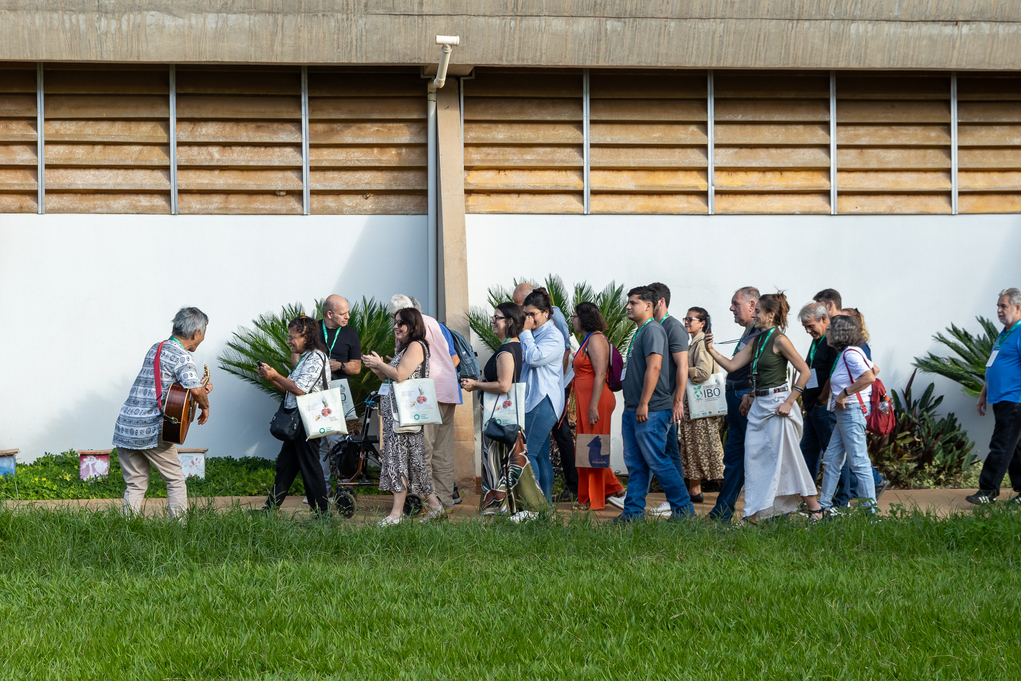
Durante o Congresso Técnico-Científico de Agricultura Orgânica, os participantes terão a oportunidade de vivenciar experiências únicas em duas visitas especiais:

1. Visita à Fazenda de Café Orgânico
Conheça de perto o cultivo sustentável e a produção de café orgânico. A saída será às 7h, com retorno previsto para 12h. Durante o passeio, será possível acompanhar etapas do processo, entender práticas de manejo responsável e como elas contribuem para a qualidade do café e preservação ambiental.
Vagas limitadas: 31 participantes.

2. Visita à Fazenda de Produção Orgânica de Leite e Derivados
Explore o sistema orgânico de produção de leite e queijos, com foco no bem-estar animal e na qualidade dos produtos. A saída será às 7h, com retorno previsto para 12h. Uma experiência enriquecedora para quem deseja ampliar conhecimentos sobre práticas sustentáveis.
Vagas limitadas: 46 participantes.

Ambas as atividades exigem credenciamento separado e fazem parte da programação oficial do congresso.
Local de saída: Centro de Convenções da Unicamp – Av. Érico Veríssimo, 500, Cidade Universitária, Campinas.
Importante: Tenha seu número de inscrição em mãos.
Dúvidas: (11) 93962-6388 | visitante@francal.com.br
Speakers

  • Ademir Calegari
  • Virginia Damin

Schedule

08h30 Reception, Registration, and Welcome Coffee Accreditation
Place: Centro de Convenções da UNICAMP

Welcome to the 1st Technical and Scientific Congress on Organic Agriculture, in a warm and engaging opening moment. The reception and registration will be accompanied by a special coffee break, designed to offer a light and inspiring first encounter among participants, researchers, and guests.A space to spark connections, exchange ideas, and begin the conversations that will help shape the future of organic agriculture.

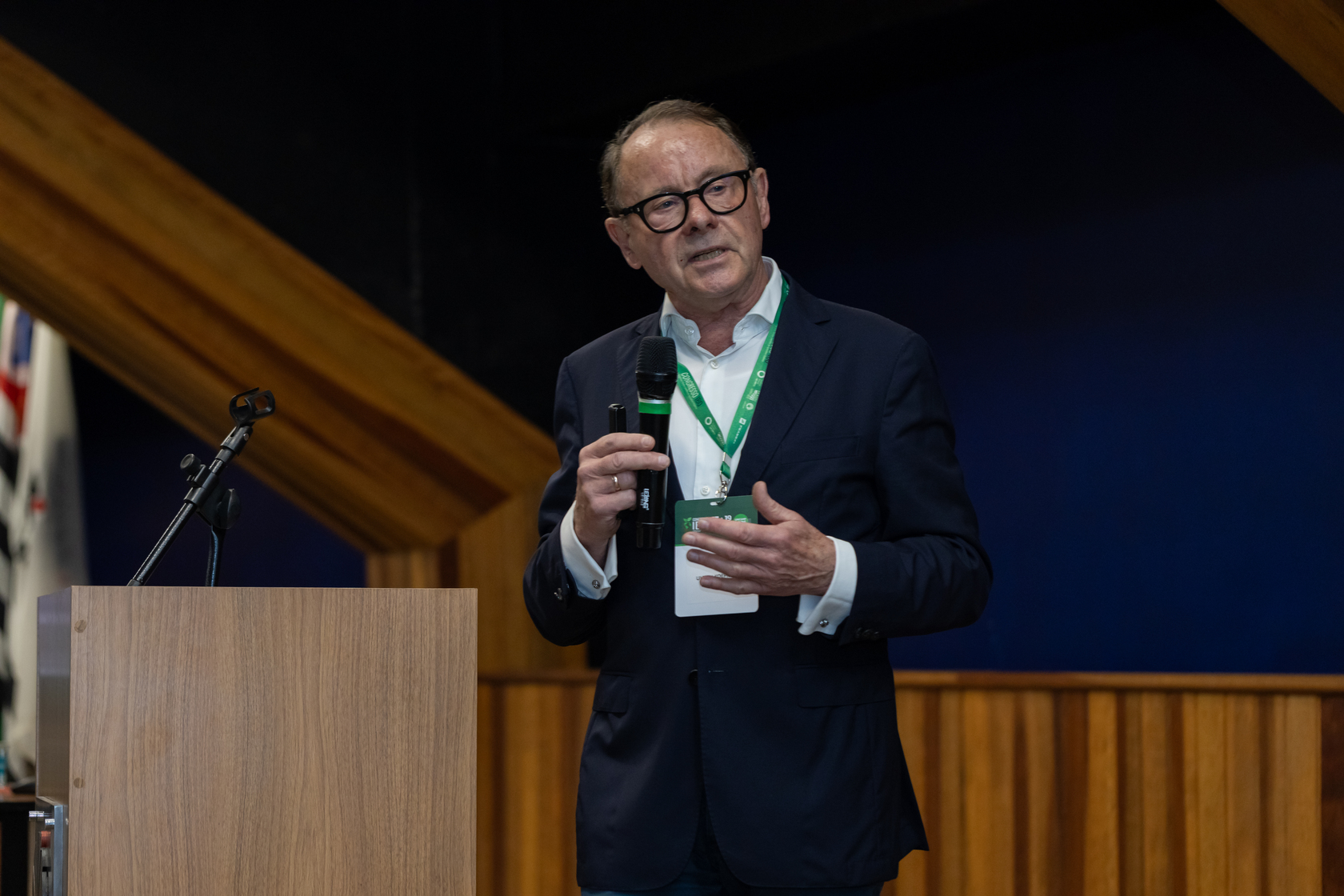
10h00 - Ademir Calegari, Virginia Damin Keynote Lecture – Ademir Calegari and Virginia Damin Opening
Place: Centro de Convenções da UNICAMP

Organic No-Till System, Cover Crops, and the Possibilities of Farming Without HerbicidesAdemir Calegari:Brazilian agronomist, Master and Ph.D. in Soil Science (Brazil, Scotland, and USA), and a specialist in regenerative agricultural systems. He has nearly fifty years of experience in no-till farming, cover crops, crop rotation for annual and perennial systems, crop diversification, and soil and water management and conservation.Calegari built his career at the Agronomic Institute of Paraná (IAPAR) and is now recognized as a national and international reference — a highly sought-after consultant in Brazil and abroad. With deep knowledge of rural realities, he has taught courses and provided consultancy in more than fifty countries.Virginia Damin:Agronomist from the Federal University of Lavras, Ph.D. in Soil Science from the “Luiz de Queiroz” College of Agriculture – University of São Paulo (ESALQ/USP), and Postdoctoral Researcher in Soil Genetic Diversity at The James Hutton Institute in the United Kingdom.Currently an Associate Professor at the Federal University of Goiás, she is an extension specialist with extensive field experience. Damin develops technologies to improve soil health and works directly with producers in Brazil and Bolivia to reduce herbicide use and adopt alternative strategies for weed management.

13h00 Extended Abstract Session Oral presentation
Place: Auditórios

The presentations are organized into six main categories: Natural Resource Management, Animal Production, Plant Production, Innovations for Organic Agriculture, Public Policies and Sociobiodiversity, and Education and Rural Extension — reflecting the diversity and strength of Brazil’s organic farming sector.

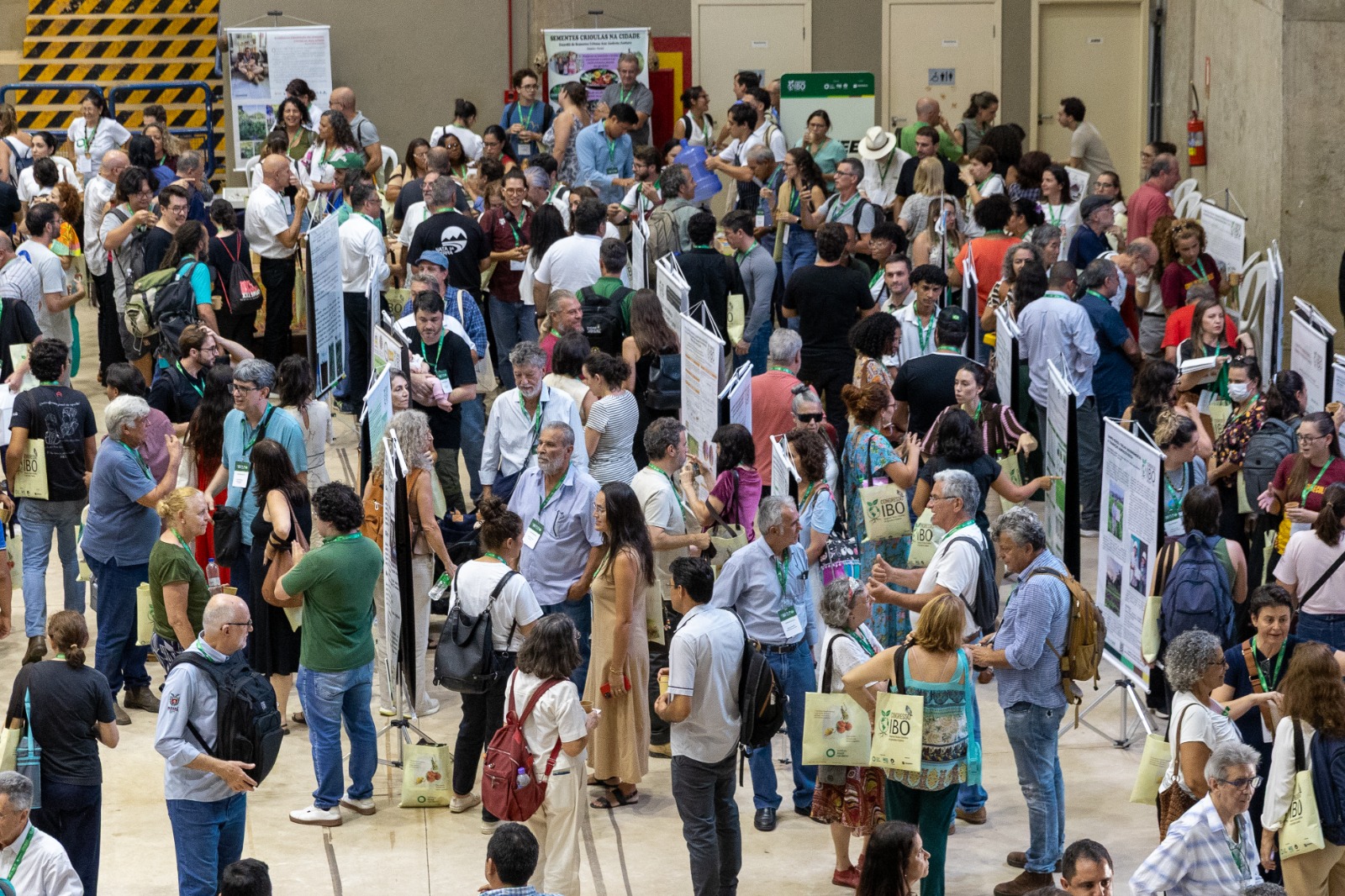
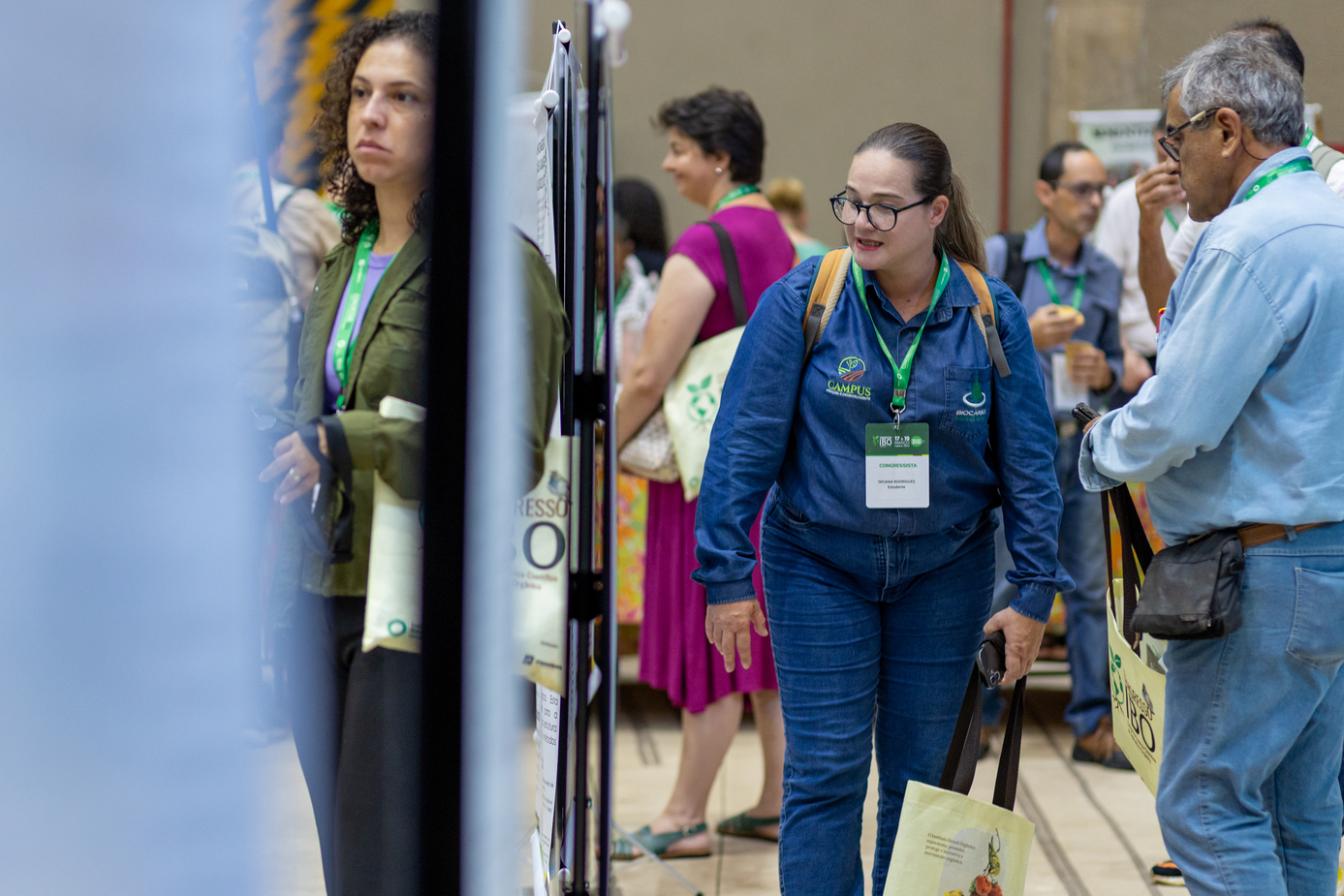
16h00 Poster Session Presentation Poster
Place: Auditórios

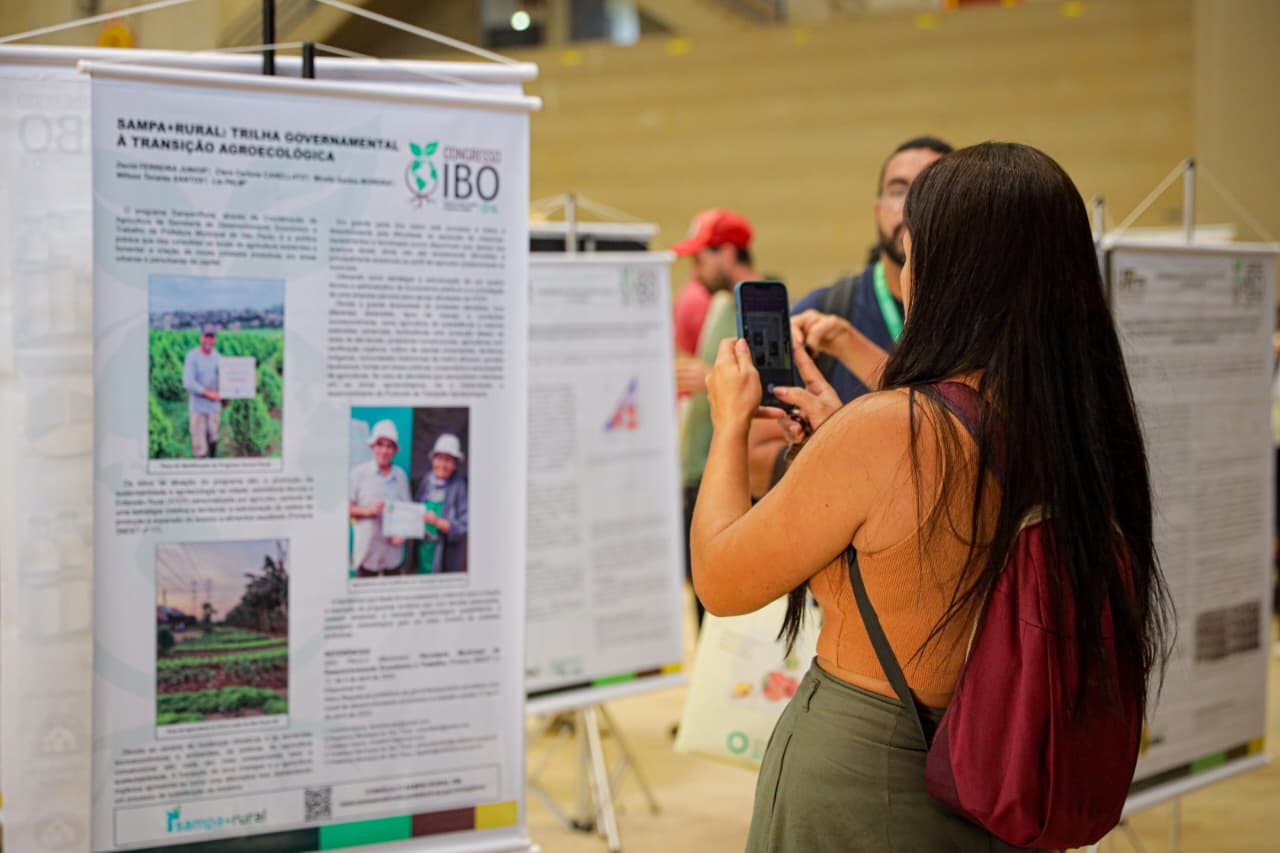
Posters will be grouped according to common themes.The presentations are organized into the six thematic areas of the Congress:Plant Production — management, soil fertility, genetic materials, and cropping systems.Animal Production — animal welfare, nutrition, health, and integrated systems.Natural Resource Management — soil, water, biodiversity, and regenerative solutions.Socioeconomics — value chains, commercialization, public policies, and social impact.Innovations for Organic Agriculture — bio-inputs, digital technologies, automation, and management tools.Organic Agriculture, Food, and Health — nutritional quality, post-harvest processes, food safety, and contributions to public health.Discussion circles will be held around each group of posters.

09h00 Lectures – Four Case Studies of Organic Production from Different Regions of Brazil - Nutrilite Brazil Farm / Malunga Farm / Raiar Organic Eggs Lecture
Place: Centro de Convenções da UNICAMP

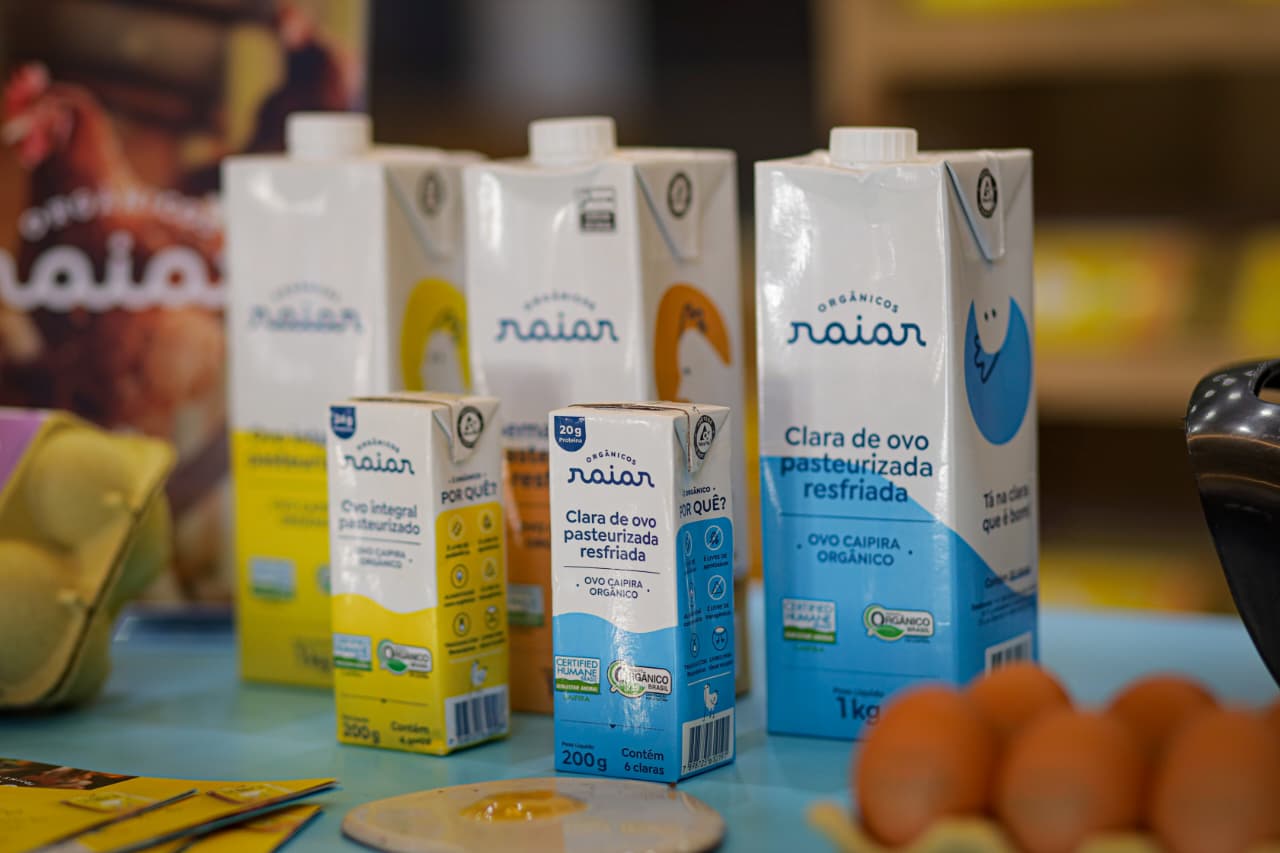
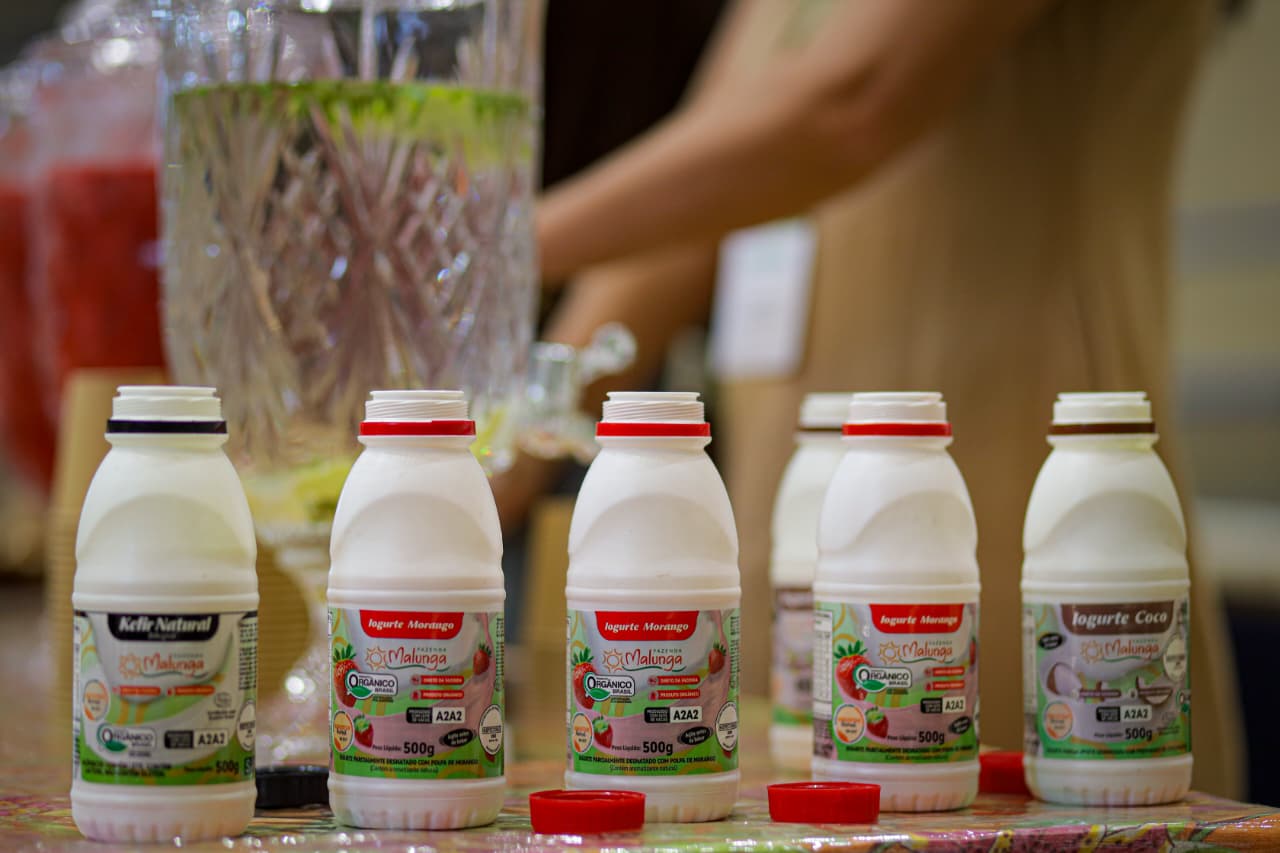
Each presentation will last 20 minutes, followed by a 40-minute open discussion with the audience.Nutrilite Brazil Farm – AmwayLocated in Ubajara, Ceará, the 250-hectare Nutrilite Farm is considered the largest organic and biodynamic acerola farm in the world. The cultivation of acerola provides a natural source of vitamin C used in various dietary supplements and follows sustainable practices such as: use of organic composts; reuse of agricultural residues to generate additional income; efficient irrigation systems; social activities with the local community; and partnerships with over one hundred regional producers. It stands as an innovative model of organic production, combining science and nature to promote sustainability and community development.Malunga FarmLocated 70 km from Brasília, Malunga Farm is a pioneer in organic production and a national reference in sustainable agriculture. It produces a wide range of organic vegetables, fruits, and dairy products — including fresh and mozzarella cheeses, natural skimmed yogurt, and kefir.The farm cultivates over thirty-five vegetable and legume species, distributed fresh to seventy sales points. It operates an integrated production system, using compost made from animal manure and urine, mixed with sawdust and rock dust.Malunga promotes plant health from seedling to harvest, using biofertilizers and monitoring the nutritional needs of each crop individually.Raiar Organic EggsBased in Avaré, São Paulo, Raiar specializes in the production of organic eggs with a strong focus on animal welfare, ensuring hens are raised freely. The company employs pioneering technology in Brazil for in-ovo sexing — scanning eggs to determine embryo sex, thus eliminating the cruel practice of culling male chicks.In addition to traditional eggs, Raiar has launched a line of pasteurized eggs, including separate egg whites and yolks. The farm uses innovative equipment such as Jumpst, a playground imported from the Netherlands, designed to enhance the health and happiness of the hens.The hens are fed exclusively with organically grown grains supplied by partner producers. Through the Folio Institute, Raiar also supports organic grain research in partnership with the Federal University of São Carlos (UFSCar), applying practices such as the use of bio-inputs and organic fertilizers to strengthen the organic agriculture ecosystem.

11h00 Extended Abstract Session - 2 Oral presentation
Place: Auditórios

The presentations are organized into six main categories: Natural Resource Management, Animal Production, Plant Production, Innovations for Organic Agriculture, Public Policies and Sociobiodiversity, and Education and Rural Extension — reflecting the diversity and strength of Brazil’s organic farming sector.

15h00 Poster Session Presentation Poster
Place: Auditórios

Posters will be grouped according to common themes.The presentations are organized into the six thematic areas of the Congress:Plant Production — management, soil fertility, genetic materials, and cropping systems.Animal Production — animal welfare, nutrition, health, and integrated systems.Natural Resource Management — soil, water, biodiversity, and regenerative solutions.Socioeconomics — value chains, commercialization, public policies, and social impact.Innovations for Organic Agriculture — bio-inputs, digital technologies, automation, and management tools.Organic Agriculture, Food, and Health — nutritional quality, post-harvest processes, food safety, and contributions to public health.Discussion circles will be held around each group of posters.

17h00 Inauguration of the Ana Primavesi Room at the UNICAMP Rare Works Library Encontro
Place: Biblioteca de Obras Raras da UNICAMP

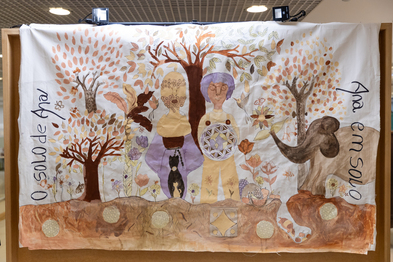
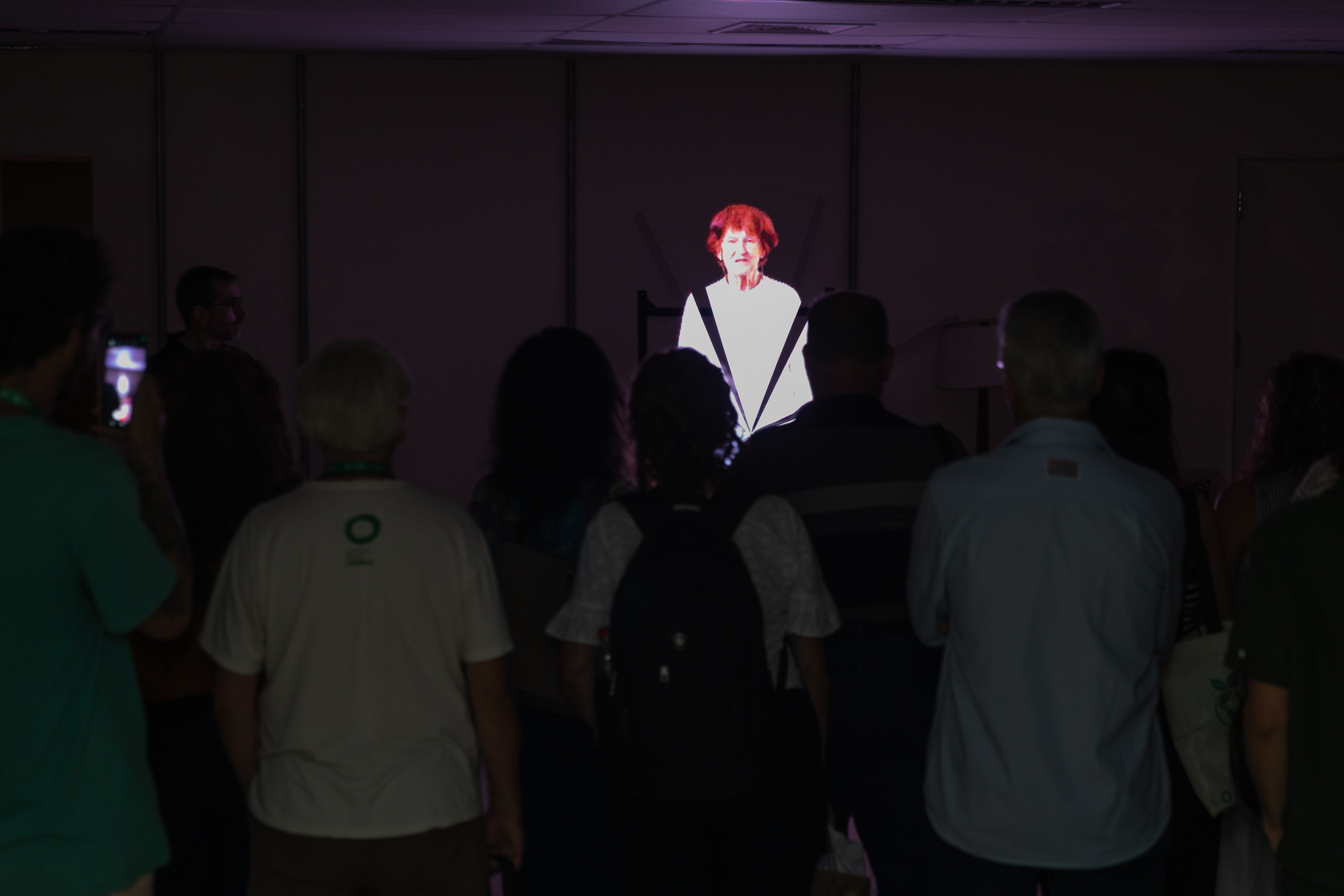
With the presence of members of the Primavesi family, this room will make available to the public the entire technical collection of this great scientist, who was instrumental in the development of organic agriculture in Brazil.The collection consists of manuscripts, books, documents, and all the materials that made up her personal library, guiding visitors through the history of agroecology. Just a five-minute walk from the building where the Congress takes place, there will be a guided visit to the collection, with insights from Danielle Ferreira, Director of the Library, and Virgínia Knabben, biographer of Ana Primavesi.

09h00 - Prof. Ulrich Koepke Lecture – Prof. Ulrich Koepke, ISOFAR – International Society of Organic Agriculture Research Lecture
Place: Centro de Convenções da UNICAMP

Organic Agriculture – Science, Technology, and Global ExperiencesThe International Society of Organic Agriculture Research (ISOFAR) is an international organization based in Bonn, Germany, founded in 2003, that promotes and supports research in organic agriculture worldwide.ISOFAR facilitates the dissemination of information and exchange of knowledge on organic farming, fosters international cooperation in research, supports methodological development, and encourages the sharing of scientific and practical experiences.The organization also provides support to researchers through events, publications, and membership services, aiming to integrate users and stakeholders into the research process and strengthen the global organic movement.

10h30 Lecture – Organic Experiments at the Lagoa do Sino Farm, UFSCAR (in partnership with Raiar/Instituto Folio) Opening
Place: Centro de Convenções da UNICAMP

The experimental farm comprises 172 hectares of certified organic production, 25 hectares of crop-livestock integration, and 210 hectares in transition to organic under a regenerative system.The project conducts research and develops practices focused on soil health, use of bio-inputs, agroforestry systems, genetic improvement, integrated pest management, food processing and quality, as well as studies on climate change and the social impacts of agroecology.It also includes rotation models, animal thermal comfort strategies, crop shading systems, and initiatives that strengthen family farming.This initiative consolidates guidelines for tropical, regenerative, and sustainable production transition, with a strong focus on food security and scientific innovation with national and international reach.

13h00 Extended Abstract Session - 3 Oral presentation
Place: Auditórios

The presentations are organized into six main categories: Natural Resource Management, Animal Production, Plant Production, Innovations for Organic Agriculture, Public Policies and Sociobiodiversity, and Education and Rural Extension — reflecting the diversity and strength of Brazil’s organic farming sector.

16h30 Closing Ceremony Closure
Place: Centro de Convenções da UNICAMP

Summary of the event: number of papers presented, number of participants, regions of Brazil represented, and the overall quality of the presentations and lectures.Evaluation and dissemination of the techniques presented during the Congress, aiming to foster progress in organic agriculture across Brazil.Announcement of the next Technical and Scientific Congress on Organic Agriculture.

07h00 Visita à Fazenda de Café Orgânico Experience
Place: Centro de Convenções da Unicamp, Avenida Érico Veríssimo, 500, Cidade Universitária, Campinas

Visita à Fazenda de Café Orgânico – 20 de março

No dia 20 de março, realizaremos uma visita especial à Fazenda de Café Orgânico, uma oportunidade única para conhecer de perto todo o processo de cultivo sustentável e produção do café orgânico.
A saída será às 7h, com retorno previsto para às 12h.

Essa é uma atividade extra, que faz parte da programação do congresso, oferecendo aos participantes uma experiência complementar e enriquecedora.

Durante o passeio, os participantes poderão vivenciar a rotina da fazenda, aprender sobre práticas de cultivo responsável, acompanhar etapas da produção e entender como o manejo orgânico contribui para a qualidade do café e para a preservação do meio ambiente.

Será uma experiência valiosa para quem deseja ampliar conhecimentos, vivenciar o campo e conhecer uma das referências em produção orgânica da região.

Importante: A participação exige credenciamento separado e são limitadas, apenas 31 vagas disponíveis.
Em caso de dúvidas, entre em contato pelo (11) 93962-6388 ou visitante@francal.com.br
07h00 Visita à Fazenda de Leite Orgânico Experience
Place: Centro de Convenções da Unicamp, Avenida Érico Veríssimo, 500, Cidade Universitária, Campinas

Visita à Fazenda de Produção Orgânica de Leite e Derivados – 20 de março

No dia 20 de março, realizaremos uma visita especial a uma Fazenda de Produção Orgânica de Leite e Derivados, uma oportunidade única para conhecer de perto todo o processo de manejo e produção de leite e queijos orgânicos.

A saída será às 7h, com retorno previsto para às 12h.

Essa é uma atividade extra, e faz parte da programação do congresso, oferecendo aos participantes uma experiência complementar e enriquecedora.

Durante o passeio, os participantes poderão vivenciar a rotina da fazenda, aprender sobre práticas de manejo responsável, acompanhar etapas da produção e entender como o sistema orgânico contribui para a qualidade do leite e dos derivados, além da preocupação com o bem-estar animal.

Será uma experiência valiosa para quem deseja ampliar conhecimentos, vivenciar o campo e conhecer uma das referências em produção orgânica da região.

Importante: A participação exige credenciamento separado e são limitadas, apenas 31 vagas disponíveis.
Em caso de dúvidas, entre em contato pelo (11) 93962-6388 ou visitante@francal.com.br
Carregando área de inscrição

Place

Centro de Convenções da Unicamp, 13083-851, Avenida Érico Veríssimo, 500, Cidade Universitária, Campinas, São Paulo
See on map

Organizer
Instituto Brasil Orgânico - IBO

O Instituto Brasil Orgânico foi criado no dia 3 de outubro de 2019 com o propósito primordial de representar, promover, proteger e incentivar o movimento orgânico brasileiro.
O Instituto tem a missão de envolver os diversos atores e segmentos do setor orgânico visando o fortalecimento dos sistemas produtivos, a oferta e a comercialização de produtos orgânicos com garantia de qualidade para o consumidor, ampliando o acesso destes produtos para toda a sociedade.

Saiba mais: www.institutobrasilorganico.org